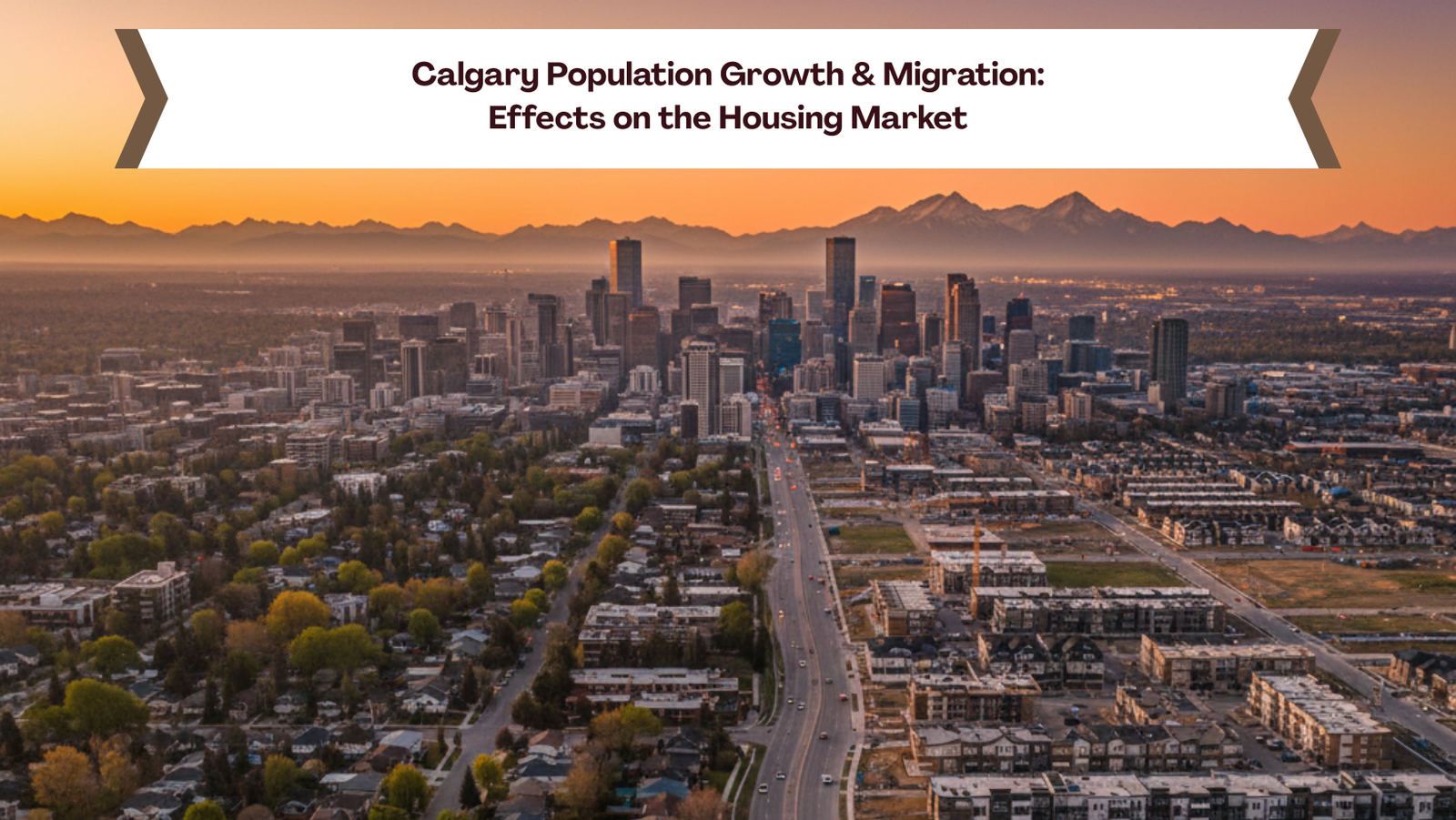

Calgary Population Growth & Migration: Effects on the Housing Market

Is Calgary growing faster than its homes can keep up with?

If you have felt like “For Sale” signs vanish overnight, rental listings feel tighter than rush hour on Deerfoot Trail, or dinner conversations keep circling back to “everyone seems to be moving here,” you are not imagining things. Calgary is in the middle of a population and migration moment that is reshaping how, where, and why people buy homes. By the time you finish this blog, you will understand exactly how population growth and migration are affecting Calgary’s housing market, what it means for buyers and sellers, and how to make smarter real estate decisions in a city that is evolving in real time.

Understanding Calgary Population Growth 2025

Calgary has always had growth spurts tied to opportunity. Oil booms, tech waves, and affordability cycles have pulled people in like a magnet. What feels different now is the pace and diversity of that growth.

Population growth is not just a statistic buried in a government report. It shows up in everyday life. More kids in playgrounds. Longer lines at brunch spots. New communities popping up where open land used to be. As we move through Calgary population growth 2025, the city is welcoming people from across Canada and beyond, all bringing different housing needs with them.

What is driving this growth?

  • Strong job creation across multiple sectors

  • Comparatively affordable housing versus Toronto and Vancouver

  • Lifestyle appeal, from the Rockies to urban river pathways

  • A reputation for resilience and opportunity

Calgary is no longer just a “move here for oil and gas” city. It is a place where young professionals, growing families, entrepreneurs, and retirees all see a future.

Calgary’s Migration Story: More Than Just Numbers

Calgary Migration Trends Explained

Migration is not a single stream. It is a collection of stories. Some people arrive with moving trucks and big plans. Others come with suitcases and a “let’s see how this goes” mindset. 

Together, these stories form the backbone of current Calgary migration trends.

There are two main types shaping the market right now:

  1. Interprovincial migration, especially from Ontario and British Columbia

  2. International migration, including students, skilled workers, and families

Each group impacts housing differently, which is why understanding who is moving matters as much as how many are moving.

The Power of Calgary Interprovincial Migration

If there is one phrase that keeps coming up in conversations with clients, it is this: “We just couldn’t afford it back home anymore.” That sentence sums up much of Calgary interprovincial migration.

People relocating from provinces with higher housing costs are often arriving with equity. This has several ripple effects:

  • Increased competition for detached homes

  • Faster decision-making by buyers

  • Strong interest in family-friendly neighbourhoods

  • Willingness to renovate or upgrade quickly

These buyers often compare Calgary prices to what they sold for elsewhere, and suddenly a home that feels expensive locally still looks like a bargain to them. This mindset has quietly but firmly pushed prices upward in certain segments.

How Migration Fuels Calgary Housing Demand

Demand Is Not Just About Quantity

Housing demand is not simply “more people equals more houses.” It is about what kind of homes people want and where they want them.

Current Calgary housing demand shows strong interest in:

  • Detached and semi-detached homes in established neighbourhoods

  • Townhomes and duplexes near transit and amenities

  • Rental properties for newcomers testing the waters

  • Homes with space for remote work

The work-from-home shift has added an extra layer. Buyers are prioritizing home offices, finished basements, and flexible layouts. Migration has amplified this trend, especially among professionals arriving from larger cities.

Calgary’s Rental Market Under Pressure

While homeownership gets most of the headlines, the rental market tells an equally important story. Many newcomers rent first. They want to understand neighbourhoods, commutes, and schools before buying.

This has led to:

  • Lower vacancy rates

  • Rising rents across multiple property types

  • Increased interest from real estate investors

  • More competition for well-maintained units

For renters, this can feel stressful. For investors, it presents opportunity. For the city, it signals a need for balanced housing development.

The Neighbourhood Effect: Where Growth Hits Hardest

Not all parts of Calgary experience growth the same way. Migration patterns tend to concentrate demand in specific areas.

Some common themes I see as a local real estate professional:

  • Inner-city communities attract young professionals and downsizers

  • Suburban communities appeal to families arriving from out of province

  • Transit-oriented areas draw renters and first-time buyers

  • Newer developments attract those seeking modern layouts and energy efficiency

Calgary’s geography plays a role here too. Proximity to downtown, access to major roadways, and lifestyle amenities all influence where demand lands.

Supply vs Demand: The Housing Squeeze

Here is the tension at the heart of the market. While population growth and migration increase demand, housing supply does not always move at the same speed.

Why?

  • Construction timelines are long

  • Labour and material costs remain high

  • Zoning and approval processes take time

  • Infrastructure needs must be met

When demand outpaces supply, prices rise. It is not personal. It is math. This dynamic has been especially visible during periods of strong Calgary population growth 2025 projections.

What This Means for Buyers

Buying in a growth-driven market can feel overwhelming, but clarity changes everything.

If you are a buyer, here is what matters most:

  • Preparation beats panic

  • Understanding neighbourhood value is key

  • Flexibility can save money and stress

  • Timing matters, but strategy matters more

I often tell buyers that this is not about “winning” a bidding war. It is about making a smart, sustainable decision that fits your life. Calgary still offers value, but it rewards informed buyers.

What This Means for Sellers

For sellers, population growth and migration have shifted the balance in your favour, but only if you approach it correctly.

Strong demand does not eliminate the need for:

  • Proper pricing

  • Strategic marketing

  • Professional presentation

  • Realistic expectations

Homes that are priced and prepared well often attract serious interest quickly. Homes that miss the mark can still sit, even in a busy market. Growth amplifies both success and mistakes.

A Human Moment: Real Stories From the Market

One of my clients recently moved from Vancouver. They told me their Calgary home cost less than their old condo, and came with a yard, a garage, and room for their dog to finally run. Another family arrived from Ontario, initially planning to rent for a year. Six months later, they were buying, because Calgary felt like home sooner than expected.

These are not isolated stories. They are the living, breathing side of Calgary migration trends.

Calgary’s Cultural Pull

Calgary’s appeal is not just financial. It is cultural. The city balances ambition with approachability. People still say hello on walking paths. Neighbours chat. The Stampede spirit of community and resilience still hums beneath the skyline.

Migration brings new perspectives, cuisines, traditions, and energy. That cultural layering makes the city more dynamic, and it influences housing preferences too. People are not just buying homes. They are buying into a lifestyle.

Looking Ahead: What the Future Holds

As we look forward, several factors will shape the next phase of Calgary’s housing market:

  • Continued interprovincial migration

  • Infrastructure expansion

  • Policy decisions around housing supply

  • Economic diversification

If Calgary population growth 2025 stays on its current trajectory, housing demand will remain strong. The question is not whether the market will change, but how prepared you are to move with it.

Smart Moves in a Growing City

Whether you are buying, selling, investing, or simply watching the market, knowledge is your greatest asset.

Here are a few grounded takeaways:

  • Growth creates opportunity, but also competition

  • Migration reshapes neighbourhood dynamics

  • Demand favours well-positioned properties

  • Local expertise makes a measurable difference

Real estate is never just about numbers. It is about timing, emotion, goals, and context.

Calgary’s story right now is one of momentum. Population growth and migration are not abstract trends. They are shaping streets, schools, and kitchen tables across the city. Understanding how Calgary housing demand connects to Calgary interprovincial migration gives you clarity in a market that can otherwise feel noisy.

If you are thinking about making a move in or around Calgary, my advice is simple. Stay informed. Stay flexible. And work with a top rated Calgary Real Estate agent who understands not just the data, but the human stories behind it.

Because in a growing city, the smartest decisions are the ones grounded in both insight and empathy.

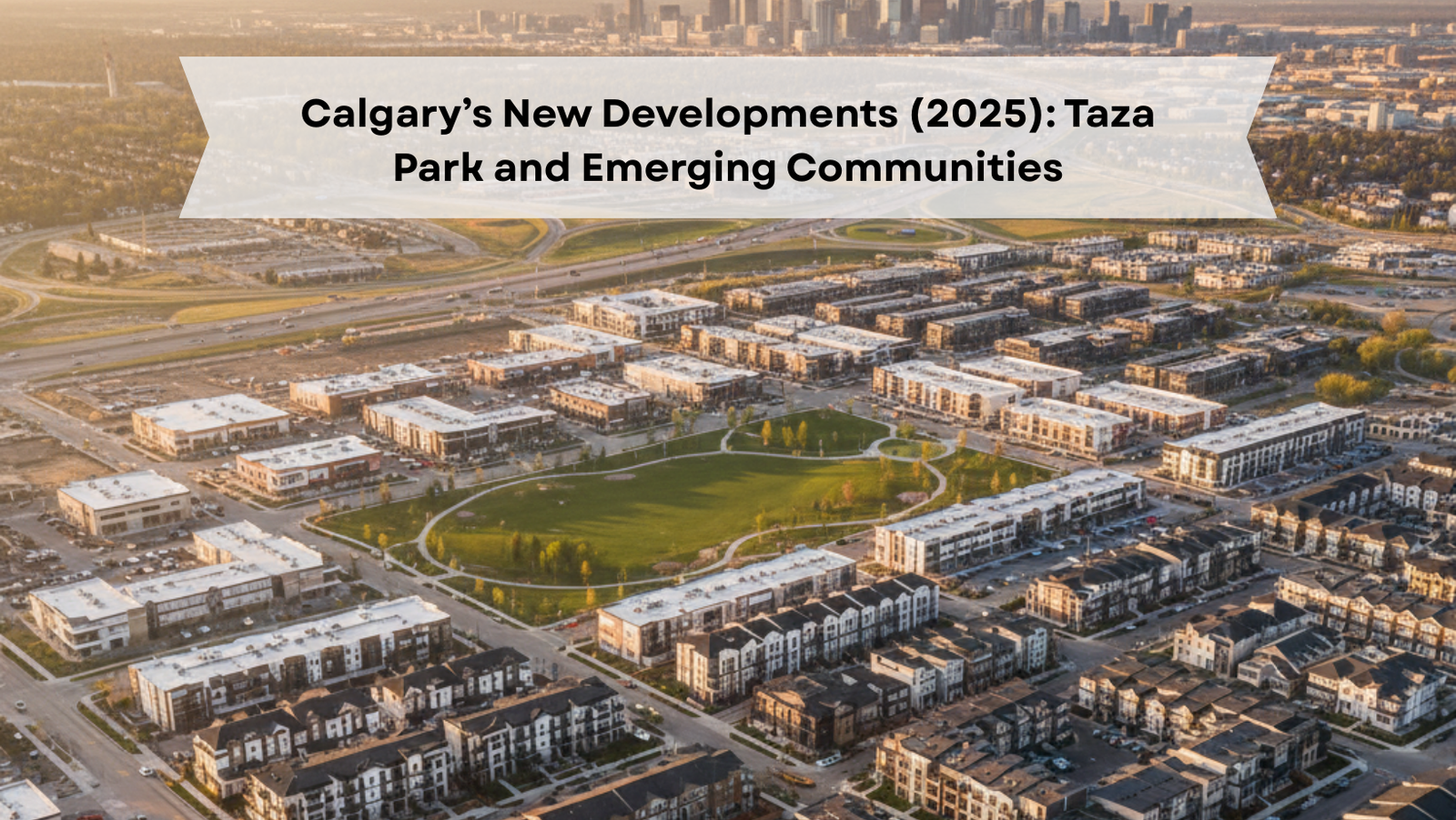
Calgary’s New Developments (2025): Taza Park and Emerging Communities

Have you noticed how Calgary never quite sits still, especially when it comes to where we live, grow, and put down roots?

If you’ve felt that familiar itch of curiosity while driving past new construction zones or hearing neighbours talk about the “next big community,” you’re not alone. Calgary is evolving again, and 2025 is shaping up to be a defining chapter. By the time you finish reading this blog, you’ll understand exactly how Calgary’s new developments in 2025, especially Taza Park Calgary and other emerging communities, could shape your next smart real estate move and help you stay one step ahead of the market.

Calgary’s New Developments (2025): Taza Park and Emerging Communities

If you’ve lived in Calgary long enough, you know the city grows in cycles. Boom, pause, rethink, repeat. But what’s happening now feels… intentional.

This isn’t just expansion for expansion’s sake. Calgary suburban development 2025 is about smarter planning, deeper community connections, and long-term livability. City planners, developers, and Indigenous partners are asking better questions than ever before:

  • How do people actually want to live?

  • What does “community” look like beyond houses and roads?

  • How do we balance growth with culture, nature, and sustainability?

And that’s where places like Taza Park Calgary come into the picture.

What Is Taza Park Calgary, Really?

Let’s clear up one thing first. Taza Park Calgary isn’t just another dot on the map or a buzzword developers like to toss around.

It’s a bold, master-planned development on Tsuut’ina Nation land, located in southwest Calgary, right along the ring road. And yes, that location alone already raises eyebrows in a good way.

But the real story goes deeper.

A Community Built on Partnership and Vision

Taza Park is being developed by Taza Development Corp., owned by the Tsuut’ina Nation. That matters. This is Indigenous-led development, guided by cultural values, economic foresight, and long-term stewardship.

In plain terms, this isn’t rushed growth. It’s thoughtful growth.

Expect:

  • Mixed-use residential areas

  • Retail and commercial hubs

  • Walkable spaces

  • Green infrastructure

  • Easy access to major roadways

And all of it wrapped in a design philosophy that respects land, people, and purpose.

Why Buyers Are Already Watching Taza Park Closely

Here’s a question I hear a lot lately:
“Jai, is Taza Park something I should seriously consider, or is it still too early?”

My honest answer? Early is often where the smartest decisions are made.

Here’s why Taza Park stands out in Calgary new communities 2025:

  • Strategic location: Southwest Calgary, minutes from major employment nodes

  • Ring Road access: Less commute stress, more weekend freedom

  • Future-forward design: Built for how people live today, not 20 years ago

  • Strong economic backing: Long-term vision, not short-term flipping

If Calgary were a chessboard, Taza Park would be a power move, not a filler square.

Calgary Master-Planned Communities: More Than Just Pretty Streets

Let’s zoom out for a moment.

When we talk about Calgary master-planned communities, we’re really talking about a shift in mindset. These communities are designed as ecosystems, not just housing clusters.

What Defines a True Master-Planned Community?

  • Schools, parks, and shops within reach

  • Thoughtful density, not overcrowding

  • Integrated public spaces

  • Future-ready infrastructure

  • A sense of identity, not cookie-cutter vibes

Calgary has learned from past developments. In 2025, the focus is on building places where people actually want to stay, not just pass through.

Other Emerging Communities Shaping Calgary in 2025

While Taza Park Calgary is grabbing headlines, it’s not alone. Several other areas are quietly, confidently redefining the city’s edges.

North Calgary: Growth with Breathing Room

Northern communities continue to attract families and investors alike.

Why?

  • Larger lots

  • New schools

  • Expanding commercial zones

  • Strong long-term appreciation potential

These areas fit perfectly into the broader picture of Calgary suburban development 2025, where space and accessibility coexist.

Southeast Calgary: The Underrated Contender

The southeast has been quietly transforming, and in 2025, it’s stepping into the spotlight.

Think:

  • Industrial growth fueling job creation

  • Improved transit planning

  • More affordable entry points for first-time buyers

If you’re someone who likes to zig when others zag, keep your eye here.

Southwest Calgary Beyond Taza

Taza Park may be the crown jewel, but surrounding southwest communities benefit from the ripple effect.

Infrastructure upgrades, new retail, and improved connectivity tend to lift the entire region. That’s real estate gravity at work.

How Calgary’s Culture Shapes Its Communities

Here’s something people from outside the city sometimes miss.

Calgary isn’t just a place. It’s a personality.

We’re practical but optimistic. Friendly, but direct. We love our Stampede, our pathways, our mountains in the distance, and yes, our heated garages.

New developments in Calgary new communities 2025 are increasingly reflecting that culture:

  • Spaces for community events

  • Pathways that actually connect to something

  • Homes designed for real winters, not just brochures

That cultural alignment is a big reason Calgary continues to attract newcomers from across Canada.

Who Should Be Looking at These New Developments?

Let’s talk real life for a second.

These communities aren’t one-size-fits-all, and that’s a good thing.

You might be a great fit if you’re:

  • A first-time buyer looking for long-term value

  • A growing family wanting newer schools and amenities

  • An investor thinking 5–10 years ahead

  • A downsizer who still wants community energy

And if you’re unsure where you fit, that’s okay too. Real estate decisions don’t need to be rushed. They need to be informed.

A Little Friendly Advice from Me to You

I’ll level with you.

Not every new development is a goldmine. Some will shine. Others will simply exist. The key is knowing why a community is being built, not just where.

When clients ask me about Calgary master-planned communities, I always suggest asking these questions:

  • Who is developing it, and what’s their track record?

  • What’s the long-term vision beyond Phase 1?

  • How does it connect to the rest of the city?

  • Who is this community really designed for?

Those answers matter more than glossy renderings ever will.

The Investment Angle: Looking Beyond 2025

Real estate rewards patience.

Communities like Taza Park Calgary aren’t about overnight wins. They’re about steady growth, desirability, and relevance over time.

Historically, Calgary communities that combine:

  • Strategic location

  • Strong infrastructure

  • Thoughtful planning

…tend to age well. And in real estate, aging well is the whole game.


So here we are.

Calgary in 2025 isn’t just expanding outward. It’s growing smarter, more inclusive, and more intentional. Developments like Taza Park Calgary and other emerging neighbourhoods aren’t just adding homes. They’re reshaping how we think about community, culture, and long-term value.

As someone who lives and breathes Calgary real estate, I genuinely believe this is an exciting time to be paying attention. Whether you’re buying, investing, or just curious, understanding Calgary suburban development 2025 gives you clarity in a market that often feels noisy.

And if you ever want to talk through what these changes mean for you, Jai Chaudhary Real Estate is always happy to have that conversation. No pressure. No jargon. Just honest advice, Calgary-style.

Because at the end of the day, the best real estate decisions are the ones that feel right now and make sense later.

Impact of Alberta’s 2025 Budget on Calgary Housing and Taxes

Have you been staring at Calgary home listings lately, coffee going cold, wondering whether Alberta’s 2025 Budget is about to make housing more affordable or quietly more complicated? If you live in Calgary, plan to buy here, or already own property, this budget is not just another political document collecting dust. It is a blueprint that shapes prices, taxes, neighbourhood growth, and even how confidently families plan their next chapter. By the end of this blog, you will clearly understand what Alberta’s 2025 Budget really means for Calgary housing and taxes, how it affects you personally, and how to turn these changes into smart real estate decisions.

Why Alberta’s 2025 Budget Matters to Calgary Homebuyers and Homeowners

Budgets can feel abstract. Lots of numbers, lots of speeches, and not much clarity. But in Calgary, the effects of Alberta’s 2025 Budget show up in very real ways. They show up in your property tax bill, your mortgage pre-approval, your rent cheque, and even the speed at which new communities rise on the city’s edges.

Calgary is a city shaped by cycles. We have weathered oil booms, economic slowdowns, and population surges. Recently, interprovincial migration has picked up pace. People are moving to Calgary for affordability, lifestyle, and opportunity. Alberta’s 2025 Budget steps into this moment, trying to balance growth without tipping affordability off the rails.

As a Realtor working closely with Calgary families, first-time buyers, and investors, I have learned one thing. Policy decisions matter most when translated into everyday language. So let’s do exactly that.

Alberta Budget 2025 Calgary: The Big Picture

Before diving into housing and taxes, we need context. The Alberta Budget 2025 Calgary conversation is shaped by three major goals:

  1. Supporting population growth without overwhelming infrastructure

  2. Addressing housing supply shortages

  3. Maintaining Alberta’s reputation for competitive taxation

Calgary is at the center of all three.

Population growth has been strong. More people mean more homes are needed. More homes require infrastructure, schools, transit, and utilities. That costs money. The budget attempts to strike a careful balance between investing in housing and not overburdening taxpayers.

And yes, that balance is where things get interesting.

Calgary Housing Spending 2025: Where the Money Is Going

Increased Investment in Housing Supply

One of the most talked-about aspects of Calgary housing spending 2025 is the focus on increasing supply. Alberta has acknowledged what buyers and renters have been saying for a while. Demand is strong, but supply has not kept up.

The 2025 Budget includes funding aimed at accelerating housing construction across major cities, with Calgary taking a prominent share. This funding is designed to:

  • Speed up residential development approvals

  • Support partnerships with municipalities

  • Encourage mixed-density projects

This matters because supply is the pressure valve for affordability. When more homes are built, prices have room to breathe.

What This Means for Buyers

For buyers, this signals cautious optimism. Increased housing supply does not mean prices suddenly drop, but it does help slow aggressive price growth. If you are a first-time buyer, this is encouraging news. More options mean less frantic bidding and slightly more negotiating power.

For move-up buyers, especially families looking for detached homes or townhouses, increased supply on the city’s edges could open doors to newer communities without extreme price jumps.

Calgary Affordable Housing 2025: Who Benefits Most?

Focus on Entry-Level and Rental Housing

The phrase Calgary affordable housing 2025 has been used frequently in budget discussions, and for good reason. The budget places emphasis on affordable housing initiatives, particularly rental units and entry-level ownership options.

These initiatives aim to:

  • Expand purpose-built rental housing

  • Support non-profit and community housing providers

  • Assist first-time buyers through affordability programs

Calgary’s rental market has been tight. Rising rents have been a concern, especially for young professionals, newcomers, and families trying to save for a down payment. Increased investment in rental housing could stabilize rents over time.

A Reality Check With a Smile

Now, let’s keep things honest. Affordable housing does not mean “cheap housing.” Calgary remains one of the more affordable major cities in Canada, but affordability is relative. The budget helps, but it does not perform miracles overnight.

Think of it like winter tires. They help you grip the road, but you still need to drive smart.

Calgary Taxes Alberta Budget: What Homeowners Need to Know

Taxes tend to raise eyebrows faster than home prices. The Calgary taxes Alberta budget discussion is especially important for homeowners and investors.

Provincial Taxes and Property Owners

Alberta continues to maintain a competitive tax environment. There is no provincial sales tax, and the 2025 Budget does not introduce one. That alone keeps Alberta attractive compared to other provinces.

However, property taxes are influenced by both provincial and municipal decisions. While the province funds infrastructure and housing initiatives, municipalities like Calgary determine property tax rates.

Indirect Effects on Property Taxes

Here is where nuance matters. Increased provincial spending on infrastructure can ease pressure on municipalities. When cities receive funding support, they may rely less heavily on property tax increases to fund growth.

For Calgary homeowners, this could mean:

  • Slower growth in property tax increases

  • More predictable tax planning

  • Better infrastructure without sharp tax shocks

That said, property tax assessments still depend on market values. As home values rise, assessments may rise too, even if tax rates remain stable.

How Calgary’s Real Estate Market Responds to Budget Changes

Markets are emotional creatures. They react not just to facts, but to perception.

When buyers see government commitment to housing supply, confidence grows. When taxes remain stable, investors stay interested. Calgary thrives when confidence and opportunity align.

Short-Term Market Impact

In the short term, Alberta’s 2025 Budget is likely to:

  • Sustain buyer interest

  • Encourage new development projects

  • Support steady price growth rather than spikes

This creates a healthier market. Not too hot, not too cold. Think of it as real estate porridge at just the right temperature.

Long-Term Market Impact

Long term, the emphasis on supply and affordability could reshape Calgary’s housing landscape. We may see:

  • More diverse housing types

  • Stronger suburban growth

  • Improved rental stability

For families planning long-term roots, this is good news. Stability builds confidence, and confidence builds communities.

What This Means for First-Time Buyers in Calgary

If you are a first-time buyer, you might be asking, “Should I wait?”

It is a fair question. Budget announcements often tempt buyers to pause. But waiting is not always the winning move.

With Calgary affordable housing 2025 initiatives in play, more options may appear. However, population growth continues. Demand is not disappearing.

My advice, delivered with both realism and optimism, is simple:

  • Get pre-approved early

  • Understand your budget clearly

  • Focus on long-term livability, not short-term headlines

The best time to buy is when it fits your life, not when the news cycle feels calm.

What This Means for Calgary Home Sellers

Sellers benefit from stability. Alberta’s 2025 Budget supports a market that avoids dramatic swings.

For sellers, this means:

  • Continued buyer demand

  • Competitive but not chaotic pricing

  • Strong interest in well-located homes

Homes that are priced realistically and presented well continue to attract attention. The budget does not change that timeless truth.

A little humour here. No budget can save a badly priced listing with questionable carpet choices.

Investors and the Calgary Housing Market

Investors pay close attention to policy. The Alberta Budget 2025 Calgary message is one of cautious encouragement.

Rental housing investment remains attractive due to:

  • Population growth

  • Rental demand

  • Support for housing development

However, investors must remain selective. Not every deal shines equally. Location, tenant profile, and long-term appreciation matter more than ever.

Calgary’s Cultural and Geographic Context

Calgary is not just numbers on a spreadsheet. It is neighbourhood barbecues, Chinook winds, mountain views, and a deep-rooted sense of independence.

The budget reflects Alberta’s cultural preference for fiscal responsibility paired with opportunity. It aligns with Calgary’s identity as a city that welcomes ambition while valuing practicality.

Whether you grew up here or arrived recently, Calgary’s housing story is part of its evolving identity.

Alberta’s 2025 Budget is not a crystal ball, but it is a strong signal. It tells us that housing supply, affordability, and tax competitiveness remain priorities.

For Calgary residents, the message is clear:

  • Housing investment is growing

  • Affordability is being addressed thoughtfully

  • Taxes remain competitive

The real opportunity lies in understanding these changes and acting wisely. Whether you are buying, selling, or investing, informed decisions beat reactive ones every time.

If you are unsure how these budget changes affect your personal situation, that is where an experienced Calgary Real Estate agent matters. Real estate is never just about policies. It is about people, timing, and trust.

And yes, sometimes it is also about finding the perfect home before someone else does.

As always, my goal is to help you move forward with clarity, confidence, and maybe even a little excitement. Calgary’s housing story is still being written. Make sure your chapter is a strong one.

2025 Calgary Property Tax Changes: What Homeowners Need to Know

Are you opening your mailbox this year with a tiny knot in your stomach, wondering whether your 2025 property tax bill is going to sting a little more than last year? You are not alone. 

Property taxes are one of those adult realities that quietly shape our finances, our housing decisions, and sometimes even our mood over morning coffee. By the time you reach the end of this blog, you will clearly understand the 2025 Calgary property tax changes, why they are happening, how they affect you as a homeowner, and what smart moves you can make right now to stay ahead.

Understanding the Bigger Picture Behind Calgary Property Taxes in 2025

Before we zoom in on numbers and percentages, let us take a step back. Property taxes do not increase just because someone at City Hall woke up grumpy. They are shaped by budgets, growth, infrastructure needs, and economic realities.

In 2025, homeowners across Calgary are feeling the ripple effects of a growing city, population inflow, and rising service costs. Calgary continues to attract new residents from across Canada, thanks to its relatively affordable housing, strong job market, and proximity to the Rockies. Growth is exciting, but growth also costs money.

That cost is partly covered through municipal property taxes.

What Exactly Changed in Calgary Property Tax 2025?

Let us address the big question directly.

Is There a Calgary Home Tax Increase in 2025?

Yes. For most homeowners, there is a Calgary home tax increase in 2025, but the impact varies depending on your property type, assessed value, and location.

Here is the key thing many homeowners miss:
An increase in property tax does not always mean your home value went up. It often reflects how much the city needs to collect overall and how the tax burden is distributed.

What Is Driving the Increase?

Several factors are influencing the Calgary municipal tax changes this year:

  • Rising costs for city services like transit, snow removal, and emergency services
  • Infrastructure expansion to support new communities
  • Inflation impacting operational expenses
  • Adjustments tied to the Calgary property tax Alberta budget


Think of it like running a household. When groceries, utilities, and maintenance costs rise, the family budget has to adjust. Calgary is managing a much larger household.

Calgary Property Tax Alberta Budget: What Homeowners Should Know

The Calgary property tax Alberta budget plays a major role in shaping what you pay.

How Provincial Decisions Influence Your Municipal Tax

While property tax is collected by the city, the provincial government sets the tone through funding allocations. When provincial funding tightens or shifts priorities, municipalities often need to bridge the gap themselves.

In 2025, Calgary has had to balance:

  • Public safety investments
  • Transit system upgrades
  • Affordable housing initiatives
  • Climate resilience projects


All of this flows downstream to property taxes.

Where Your Property Tax Dollars Actually Go

Many homeowners ask me, “Jai, where does this money even go?”

Here is a simplified breakdown:

  • Police, fire, and emergency services
  • Public transit and road maintenance
  • Snow clearing and waste management
  • Parks, libraries, and recreation facilities
  • Community planning and infrastructure


No, it does not all disappear into a mysterious vault.

How Calgary Municipal Tax Changes Affect Different Homeowners

Not all homeowners feel the Calgary property tax 2025 changes the same way.

Detached Homes vs Condos

  • Detached homes often see a higher absolute increase due to higher assessed values
  • Condos and apartments may see smaller increases, but condo fees combined with taxes can still pinch

Inner-City vs Suburban Properties

  • Inner-city homes sometimes experience sharper assessment shifts
  • Newer suburban communities may see steadier but consistent increases tied to infrastructure costs


This is why comparing your bill to your neighbour’s can be misleading. Two similar homes on the same street can still have different tax outcomes.

A Real Talk Moment: Why Your Assessment Matters More Than You Think

Here is where many homeowners tune out, but stay with me.

Your property tax is based on assessed value, not market value, but the two are closely linked. If your assessment jumps significantly while others stay flat, you might shoulder a larger share of the city’s tax burden.

What You Should Check Immediately

When your assessment notice arrives:

  • Confirm the property details are accurate
  • Check square footage, lot size, and property classification
  • Compare with similar homes in your neighbourhood


If something feels off, it is worth exploring an assessment review.

Smart Strategies to Manage Your Calgary Property Tax in 2025

Now let us talk solutions. Complaining is therapeutic, but strategy pays the bills.

1. Budget for Property Taxes Like a Pro

If your tax bill is not escrowed with your mortgage:

  • Set aside a monthly amount
  • Treat it like a non-negotiable expense
  • Avoid the lump-sum shock

2. Understand the Timing of Payments

Missing deadlines can lead to penalties. Calgary is polite, but firm, about due dates.

3. Appeal If It Truly Makes Sense

Appeals are not about emotion. They are about evidence. If your assessment does not align with comparable properties, you may have a valid case.

How Calgary Property Tax Impacts Buyers and Sellers in 2025

Property tax is not just a homeowner issue. It quietly shapes the entire real estate market.

For Buyers

Savvy buyers in 2025 are asking:

  • “What are the annual property taxes?”
  • “Have taxes increased significantly in this area?”


High property taxes can influence affordability more than interest rates in some cases.

For Sellers

If you are selling, transparency matters. Buyers appreciate clarity, and accurate tax information builds trust. No one likes surprises after possession day.

Calgary, Culture, and Context: Why This City Is Still Worth It

Let us zoom out for a moment.

Calgary has always been a city of resilience. From oil booms to economic shifts, it adapts. Property taxes are part of that adaptation. Yes, they sting sometimes, but they also fund the city we enjoy.

  • River pathways along the Bow
  • Festivals, food trucks, and community events
  • Expanding neighbourhoods filled with young families and new Canadians


When clients ask me if Calgary is still a smart place to own property, my answer is simple: absolutely, especially if you understand the numbers.

Frequently Asked Questions About Calgary Property Tax 2025

Will Property Taxes Keep Rising After 2025?

Taxes tend to rise gradually over time, but sharp increases are usually tied to specific budget pressures. Staying informed helps you plan instead of panic.

Does a Higher Property Tax Mean My Home Is Worth More?

Not necessarily. It often reflects city-wide adjustments rather than individual appreciation.

Can I Lower My Property Tax?

You cannot change the rate, but you can ensure your assessment is fair and budget accordingly.


Property taxes are not the most exciting dinner-table topic, but they matter. The Calgary property tax 2025 changes are a reminder that homeownership is not just about buying a property. It is about understanding the ecosystem around it.

If you feel confused, overwhelmed, or simply want a second opinion on how these changes affect your specific situation, that is completely normal. Real estate should feel empowering, not intimidating.

By understanding the Calgary home tax increase, staying informed about the Calgary property tax Alberta budget, and adapting to Calgary municipal tax changes, you put yourself in control instead of reaction mode.

And control, my friends, is where smart homeowners thrive.

If you ever want to talk numbers, neighbourhoods, or next steps, you know where to find Jai Chaudhary Real Estate.

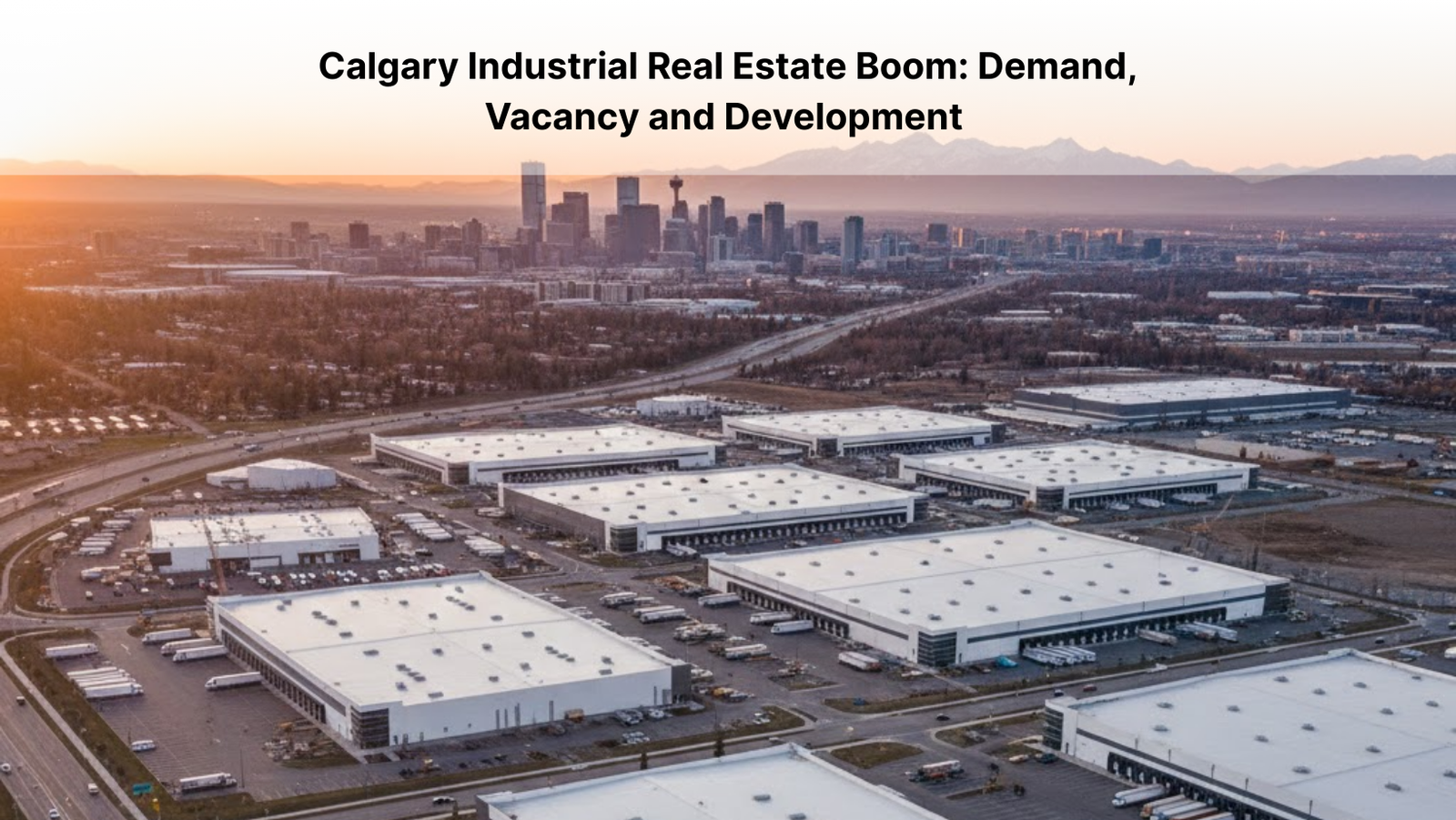
Calgary Industrial Real Estate Boom: Demand, Vacancy and Development

Is Calgary quietly becoming one of Canada’s most powerful industrial real estate success stories?

If you have driven along Stoney Trail lately or watched new warehouses rise near logistics corridors, you have probably felt it. Something big is happening. In this deep dive, I promise you clarity: by the end of this blog, you will understand why the boom is happening, where the opportunities lie, and how buyers, investors, and businesses can position themselves smartly in Calgary’s evolving industrial landscape.

Why Everyone Is Suddenly Talking About Industrial Space in Calgary

Let’s start with a simple observation. Five years ago, industrial real estate rarely stole the spotlight. Residential made the headlines, downtown office towers dominated conversations, and warehouses quietly did their job in the background.

Fast forward to today and the script has flipped.

In Calgary, industrial real estate has gone from “boring but stable” to “hot, competitive, and strategic.” Warehouses are filling faster, developers are racing to secure land, and tenants are locking in space earlier than ever. The Calgary warehouse market 2025 is shaping up to be one of the tightest and most opportunity-rich cycles the city has seen.

And yes, this boom didn’t happen overnight.

The Big Picture of Calgary Industrial Real Estate

Before we zoom into vacancy rates and development pipelines, we need context.

Calgary has always been a logistics-friendly city. Flat land, efficient road networks, proximity to Western Canada markets, and a business-first mindset. But several forces converged at once, accelerating demand for Calgary industrial real estate.

What changed?

  • E-commerce exploded and never really slowed down

  • Supply chains shifted closer to home

  • Population growth boosted consumption

  • Businesses demanded faster delivery times

  • Investors chased stable, income-producing assets

Industrial real estate quietly became the backbone of modern commerce. And Calgary was ready.

Demand Drivers Fueling the Industrial Boom

Let’s talk demand. Because without demand, there is no boom.

E-commerce and the Need for Speed

We all want things faster. Same-day delivery is no longer a luxury; it’s an expectation.

Retailers and logistics companies need strategically located warehouses to meet those timelines. Calgary’s ring road, intermodal access, and proximity to major highways make it a logistics sweet spot. This has directly increased demand for Calgary logistics development, especially large-format distribution centers.

Population Growth and Consumption

More people equals more goods. Calgary continues to attract families, professionals, and newcomers, all of whom need food, furniture, electronics, and everyday essentials.

Those goods need somewhere to live before they reach store shelves or front doors. That “somewhere” is industrial real estate.

Business Relocation and Expansion

Another trend I see daily: companies relocating from higher-cost markets. Compared to Vancouver and Toronto, Calgary offers:

  • Lower land costs

  • Competitive lease rates

  • Less congestion

  • A skilled workforce

For businesses running on tight margins, this matters. It’s no surprise that national and regional tenants are planting roots here.

Calgary Industrial Vacancy: Why Space Is Getting Harder to Find

Here’s where things get interesting.

Calgary industrial vacancy has been trending downward, and not by accident.

What Low Vacancy Really Means

Low vacancy doesn’t just mean fewer available buildings. It means:

  • Increased competition among tenants

  • Rising lease rates

  • Stronger negotiating power for owners

  • Faster absorption of new developments

For tenants, this can feel stressful. For investors and developers, it’s a green light.

The Reality on the Ground

I often hear clients say, “Jai, we’ll just wait six months and see.”

Here’s my honest answer: waiting in a tightening market can cost you options.

Industrial users are now pre-leasing space before construction finishes. Some are even redesigning operations to fit what’s available rather than holding out for the perfect layout.

That’s how you know Calgary industrial real estate is in a landlord-favorable phase.

Calgary Warehouse Market 2025: What the Future Looks Like

Let’s look ahead.

Why 2025 Is a Defining Year

The Calgary warehouse market 2025 is shaping up to be a turning point rather than a peak. New supply is coming, but demand is keeping pace.

Key expectations include:

  • Continued low vacancy in prime locations

  • Strong absorption of new logistics facilities

  • Growing interest in mid-bay and small-bay industrial units

  • Increased land competition for future projects

In simple terms, balance will remain tight.

Size Preferences Are Shifting

Not every tenant wants a million-square-foot distribution center. We’re seeing rising demand for:

  • 10,000–50,000 sq ft flex industrial

  • Last-mile logistics spaces

  • Hybrid warehouse-office buildings

This diversification is healthy. It creates opportunity at multiple price points.

Calgary Logistics Development: Where the Growth Is Happening

If you want to understand industrial real estate, follow the cranes.

Key Development Corridors

Several areas continue to attract major Calgary logistics development projects:

  • Near Stoney Trail and Deerfoot Trail

  • Southeast industrial nodes

  • Areas with easy highway and rail access

These locations reduce transportation costs and improve delivery efficiency. Developers know this, and they are acting accordingly.

Modern Features Tenants Expect

Today’s warehouses aren’t just big boxes. Tenants are asking for:

  • Higher clear ceiling heights

  • Larger bay doors

  • Energy-efficient systems

  • Flexible layouts

  • Employee-friendly amenities

Developments that meet these standards lease faster. The market is rewarding quality.

Investor Perspective: Why Industrial Is the Quiet Overachiever

Let me switch hats for a moment and talk investor to investor.

Industrial real estate doesn’t always get the glamour of residential flips or downtown towers. But it delivers something better: consistency.

Why investors love Calgary industrial real estate:

  • Longer lease terms

  • Lower tenant turnover

  • Predictable cash flow

  • Strong tenant demand

  • Less sensitivity to economic swings

In uncertain times, boring becomes beautiful.

Challenges to Watch (Because No Market Is Perfect)

Now for a reality check. Every boom has friction points.

Construction Costs

Rising material and labor costs can squeeze development margins. Some projects are delayed or redesigned as a result.

Land Availability

Prime industrial land is finite. As supply tightens, land prices increase, pushing developers to think creatively.

Tenant Adaptation

Tenants need to be flexible. Perfect space at the perfect price is rare in a tight market. Strategic compromise often wins.

What This Means for Businesses Looking for Space

If you are a business owner, here’s my straight advice.

  • Start your search early

  • Be open to pre-leasing

  • Understand market-driven pricing

  • Work with local expertise

Industrial real estate is no longer a “last-minute decision.” It’s a strategic move.

What This Means for Investors and Owners

If you own industrial property or are thinking about buying:

  • Demand fundamentals are strong

  • Vacancy remains favorable

  • Long-term outlook is positive

  • Asset quality matters more than ever

Smart positioning today sets you up for stability tomorrow.

Calgary’s Industrial Story Is Still Being Written

One thing I love about Calgary is its ability to reinvent itself. From energy to tech to logistics, this city adapts.

The industrial boom is not just about buildings. It’s about movement. Goods moving. People working. Businesses growing. Communities benefiting.

And that’s why Calgary industrial real estate feels different this cycle. It’s not hype-driven. It’s function-driven.

I’ve worked in Calgary real estate long enough to spot trends that fade and trends that stick. Industrial real estate belongs firmly in the second category.

Whether you’re tracking Calgary industrial vacancy, planning ahead for the Calgary warehouse market 2025, or exploring Calgary logistics development, one thing is clear: preparation beats reaction.

If this blog helped you see the market more clearly, then Jai Chaudhary Real Estate has kept my promise. Knowledge creates confidence. And in real estate, confidence creates opportunity.

Let’s keep the conversation going.

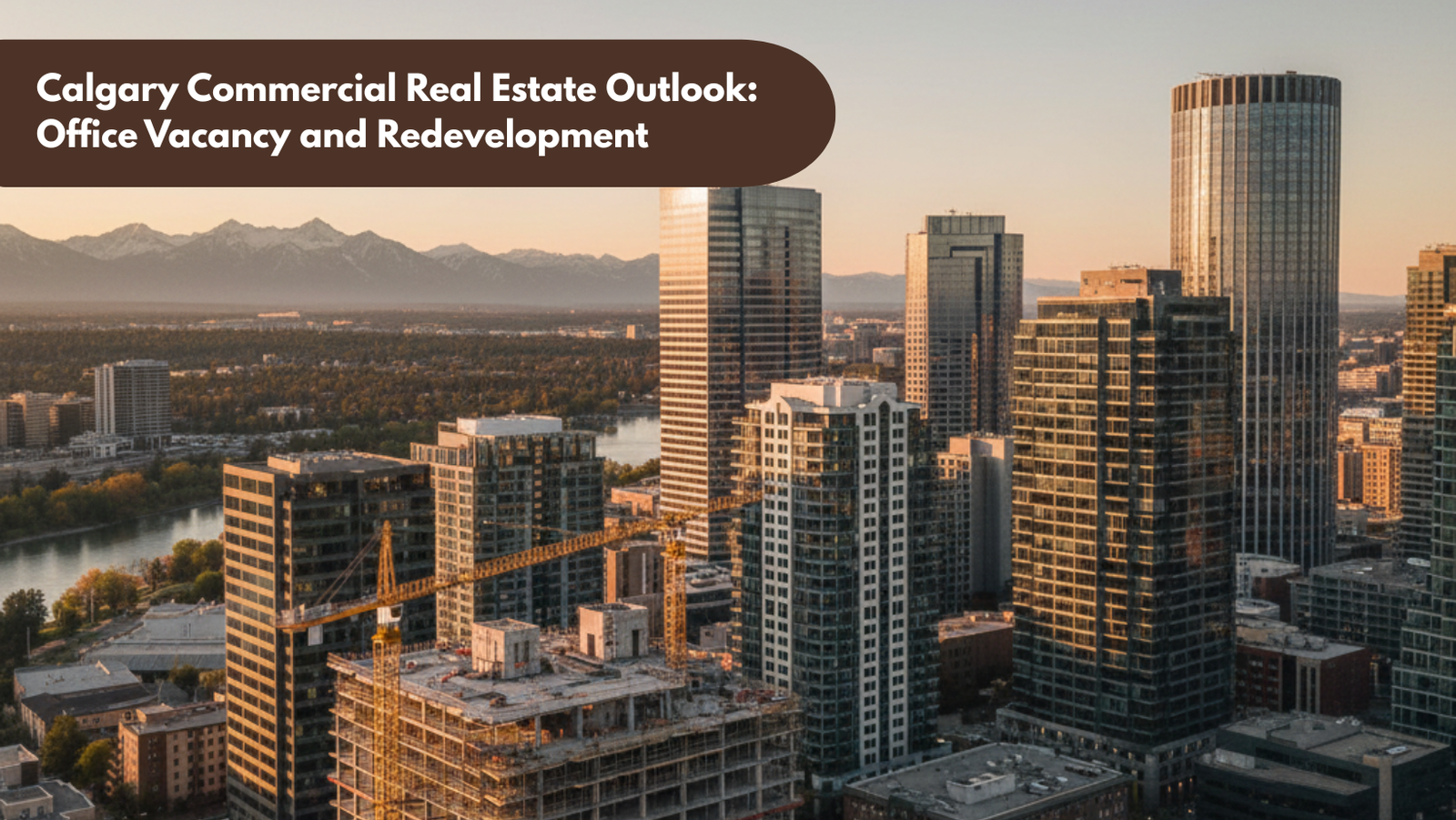
Calgary Commercial Real Estate Outlook: Office Vacancy and Redevelopment

If you have driven through Downtown Calgary lately, you have probably asked yourself this exact question while passing glass towers with darkened floors, construction cranes, and unexpected bursts of new life in once-sleepy blocks. The truth is, Calgary’s commercial real estate story in 2025 is not a simple tale of vacancy or decline. It is a layered, evolving narrative about adaptation, opportunity, and smart reinvention.

By the time you finish this blog, you will walk away with a clear understanding of where Calgary’s office market stands today, what office vacancy really means for investors and business owners, and how redevelopment is reshaping the city’s commercial future, plus how to position yourself wisely in the years ahead.

Understanding Calgary Commercial Real Estate 2025

A Market in Transition, Not Retreat

Let’s address the elephant in the boardroom first. Yes, Calgary has faced elevated office vacancy levels over the past few years. Remote work, energy sector volatility, and shifting tenant expectations all played their part. But calling this a downturn misses the bigger picture.

In Calgary commercial real estate 2025, what we are witnessing is not collapse but recalibration. Markets mature, pause, and then reimagine themselves. Calgary has always been resilient. This is the same city that reinvented its economy multiple times, from oil booms to diversification into tech, logistics, and professional services.

The office market today reflects that evolution. Companies are not abandoning offices entirely. They are simply rethinking how much space they need, where they need it, and what that space should offer.

Calgary Office Market Q3 2025

Reading Between the Vacancy Numbers

On paper, Calgary office market Q3 2025 statistics may look intimidating to newcomers. Vacancy rates remain higher than pre-pandemic levels, especially in older downtown towers. But numbers alone rarely tell the whole story.

Here is what those vacancy figures really signal:

  • A clear divide between outdated office stock and modern, amenity-rich buildings

  • Strong demand for Class A and premium Class B spaces

  • Growing interest in flexible, mixed-use office environments

  • An opportunity-rich environment for investors who know where to look

Think of it like Calgary’s winter. To an outsider, it looks harsh and uninviting. To locals, it is just part of the rhythm, and they know how to dress for it.

The Reality of the Calgary Office Vacancy Rate

Why Vacancy Isn’t Always Bad News

Let’s talk honestly about the Calgary office vacancy rate. High vacancy often gets framed as a red flag. But in reality, vacancy can also be a catalyst.

A higher vacancy rate creates:

  • Competitive lease rates for tenants

  • Negotiation leverage for businesses upgrading space

  • Incentives for landlords to modernize and reposition properties

  • Openings for redevelopment and conversion projects

For business owners, this means choice. For investors, it means possibility. And for the city, it means transformation.

Vacant space is not dead space. It is potential waiting for direction.

Why Office Space Is Being Reimagined in Calgary

From Traditional Desks to Purpose-Driven Environments

Office culture has changed. Employees now expect more than four walls and fluorescent lighting. Calgary tenants are seeking spaces that support collaboration, well-being, and flexibility.

Modern tenants ask questions like:

  • Does this building support hybrid work models?

  • Are there shared amenities and social spaces?

  • Is the location transit-friendly and walkable?

  • Does the building align with sustainability goals?

This shift has directly influenced leasing patterns across Calgary. Buildings that adapt thrive. Those that do not struggle.

Calgary Commercial Redevelopment

Breathing New Life into Old Towers

If vacancy is the pause, redevelopment is the pivot.

Calgary commercial redevelopment has become one of the most exciting stories in the city’s real estate landscape. Instead of letting underused office towers sit idle, developers and city planners are creatively repurposing them.

Some of the most common redevelopment strategies include:

  • Office-to-residential conversions

  • Mixed-use transformations with retail and hospitality

  • Creative office hubs for startups and tech firms

  • Educational and institutional reuse

Downtown Calgary, in particular, has become a laboratory for urban reinvention. These projects do more than fill empty space. They reshape neighborhoods, increase foot traffic, and support local businesses.

Downtown Calgary

From 9-to-5 Core to 24/7 Community

Calgary’s downtown used to empty out after business hours. That is changing.

Thanks to redevelopment initiatives, residential conversions, and lifestyle-focused planning, downtown is steadily becoming a place where people live, work, and play.

This shift matters because commercial real estate does not exist in isolation. Offices thrive when surrounded by:

  • Restaurants and cafes

  • Transit access

  • Cultural venues

  • Residential density

Redevelopment is not just about buildings. It is about creating ecosystems.

Investor Perspective

What Smart Investors Are Watching in 2025

If you are an investor, Calgary commercial real estate 2025 offers a landscape that rewards patience and insight.

Savvy investors are focusing on:

  • Well-located assets with redevelopment potential

  • Properties aligned with future zoning flexibility

  • Buildings near transit and lifestyle hubs

  • Partnerships that support phased redevelopment

Rather than chasing short-term returns, the smartest players are positioning themselves for long-term value creation.

And yes, this requires nerve. Calgary has always rewarded those willing to think a few steps ahead.

Tenant Opportunities in a High-Vacancy Market

Why Now Is a Strategic Moment

For business owners and tenants, the current Calgary office vacancy rate opens doors that were firmly shut a decade ago.

Tenants today can often negotiate:

  • Reduced base rents

  • Generous tenant improvement allowances

  • Flexible lease terms

  • Early termination or expansion options

If you have been operating in cramped quarters or outdated space, this market gives you the freedom to upgrade without blowing your budget.

It is one of those rare moments where timing genuinely works in your favor.

The Role of Sustainability in Office Redevelopment

Green Buildings, Greener Futures

Sustainability is no longer a bonus feature. It is a baseline expectation.

Redeveloped office buildings in Calgary increasingly prioritize:

  • Energy-efficient systems

  • Improved insulation and glazing

  • Reduced carbon footprints

  • Health-focused design

These upgrades are not just good for the planet. They attract premium tenants and future-proof assets against regulatory shifts.

In a city shaped by nature and climate, sustainability carries real cultural weight.

Calgary’s Economic Backbone

Diversification Fuels Commercial Stability

One of the reasons I remain optimistic about Calgary commercial real estate 2025 is the city’s evolving economic base.

Energy still matters, but it no longer stands alone. Calgary continues to grow in:

  • Technology and innovation

  • Logistics and distribution

  • Professional services

  • Education and healthcare

This diversification directly supports office demand, especially for flexible and specialized spaces.

In plain terms, Calgary is no longer putting all its eggs in one hard hat.

Common Questions I Hear From Clients

Let’s Address Them Honestly

“Should I wait for vacancy to drop before investing?”
Waiting often means missing opportunity. Smart positioning matters more than perfect timing.

“Are office-to-residential conversions risky?”
They require expertise, but when done well, they can unlock enormous value.

“Is downtown still relevant?”
Absolutely. It is evolving, not fading.

Looking Ahead

What the Next Few Years May Hold

While no one owns a crystal ball, trends suggest:

  • Gradual absorption of quality office space

  • Continued redevelopment momentum

  • Stabilization of vacancy in prime locations

  • Increased demand for flexible and mixed-use assets

Calgary has never followed straight lines. Its growth has always come in cycles, shaped by creativity and grit.

Opportunity Lives Where Change Happens

The story of Calgary’s office market is not about empty desks. It is about reinvention.

Calgary office market Q3 2025 data shows a city in motion, learning from past cycles and building smarter for the future. Vacancy has created space. Redevelopment is filling it with purpose.

Whether you are an investor, tenant, or business owner, this moment rewards those who stay curious, ask better questions, and move with intention.

And if you are wondering where you fit into this evolving landscape, that is exactly the conversation Jai Chaudhary Real Estate loves having. Calgary’s commercial future is being written right now, one thoughtful decision at a time.

Let’s make sure yours is a smart one.

Do you have questions?

Call or text today, we are here to help!

+1 403-483-3300