
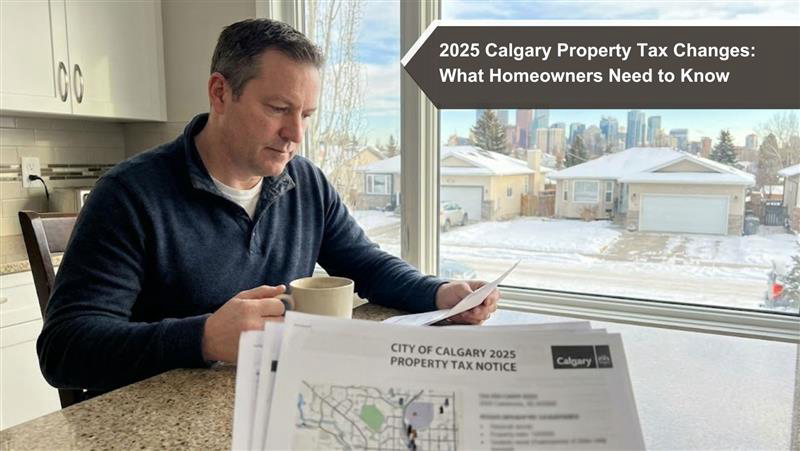
2025 Calgary Property Tax Changes: What Homeowners Need to Know
Jan 13, 2026
- 0
Are you opening your mailbox this year with a tiny knot in your stomach, wondering whether your 2025 property tax bill is going to sting a little more than last year? You are not alone.
Property taxes are one of those adult realities that quietly shape our finances, our housing decisions, and sometimes even our mood over morning coffee. By the time you reach the end of this blog, you will clearly understand the 2025 Calgary property tax changes, why they are happening, how they affect you as a homeowner, and what smart moves you can make right now to stay ahead.
Understanding the Bigger Picture Behind Calgary Property Taxes in 2025
Before we zoom in on numbers and percentages, let us take a step back. Property taxes do not increase just because someone at City Hall woke up grumpy. They are shaped by budgets, growth, infrastructure needs, and economic realities.
In 2025, homeowners across Calgary are feeling the ripple effects of a growing city, population inflow, and rising service costs. Calgary continues to attract new residents from across Canada, thanks to its relatively affordable housing, strong job market, and proximity to the Rockies. Growth is exciting, but growth also costs money.
That cost is partly covered through municipal property taxes.
What Exactly Changed in Calgary Property Tax 2025?
Let us address the big question directly.
Is There a Calgary Home Tax Increase in 2025?
Yes. For most homeowners, there is a Calgary home tax increase in 2025, but the impact varies depending on your property type, assessed value, and location.
Here is the key thing many homeowners miss:
An increase in property tax does not always mean your home value went up. It often reflects how much the city needs to collect overall and how the tax burden is distributed.
What Is Driving the Increase?
Several factors are influencing the Calgary municipal tax changes this year:
- Rising costs for city services like transit, snow removal, and emergency services
- Infrastructure expansion to support new communities
- Inflation impacting operational expenses
- Adjustments tied to the Calgary property tax Alberta budget
Think of it like running a household. When groceries, utilities, and maintenance costs rise, the family budget has to adjust. Calgary is managing a much larger household.
Calgary Property Tax Alberta Budget: What Homeowners Should Know
The Calgary property tax Alberta budget plays a major role in shaping what you pay.
How Provincial Decisions Influence Your Municipal Tax
While property tax is collected by the city, the provincial government sets the tone through funding allocations. When provincial funding tightens or shifts priorities, municipalities often need to bridge the gap themselves.
In 2025, Calgary has had to balance:
- Public safety investments
- Transit system upgrades
- Affordable housing initiatives
- Climate resilience projects
All of this flows downstream to property taxes.
Where Your Property Tax Dollars Actually Go
Many homeowners ask me, “Jai, where does this money even go?”
Here is a simplified breakdown:
- Police, fire, and emergency services
- Public transit and road maintenance
- Snow clearing and waste management
- Parks, libraries, and recreation facilities
- Community planning and infrastructure
No, it does not all disappear into a mysterious vault.
How Calgary Municipal Tax Changes Affect Different Homeowners
Not all homeowners feel the Calgary property tax 2025 changes the same way.
Detached Homes vs Condos
- Detached homes often see a higher absolute increase due to higher assessed values
- Condos and apartments may see smaller increases, but condo fees combined with taxes can still pinch
Inner-City vs Suburban Properties
- Inner-city homes sometimes experience sharper assessment shifts
- Newer suburban communities may see steadier but consistent increases tied to infrastructure costs
This is why comparing your bill to your neighbour’s can be misleading. Two similar homes on the same street can still have different tax outcomes.
A Real Talk Moment: Why Your Assessment Matters More Than You Think
Here is where many homeowners tune out, but stay with me.
Your property tax is based on assessed value, not market value, but the two are closely linked. If your assessment jumps significantly while others stay flat, you might shoulder a larger share of the city’s tax burden.
What You Should Check Immediately
When your assessment notice arrives:
- Confirm the property details are accurate
- Check square footage, lot size, and property classification
- Compare with similar homes in your neighbourhood
If something feels off, it is worth exploring an assessment review.
Smart Strategies to Manage Your Calgary Property Tax in 2025
Now let us talk solutions. Complaining is therapeutic, but strategy pays the bills.
1. Budget for Property Taxes Like a Pro
If your tax bill is not escrowed with your mortgage:
- Set aside a monthly amount
- Treat it like a non-negotiable expense
- Avoid the lump-sum shock
2. Understand the Timing of Payments
Missing deadlines can lead to penalties. Calgary is polite, but firm, about due dates.
3. Appeal If It Truly Makes Sense
Appeals are not about emotion. They are about evidence. If your assessment does not align with comparable properties, you may have a valid case.
How Calgary Property Tax Impacts Buyers and Sellers in 2025
Property tax is not just a homeowner issue. It quietly shapes the entire real estate market.
For Buyers
Savvy buyers in 2025 are asking:
- “What are the annual property taxes?”
- “Have taxes increased significantly in this area?”
High property taxes can influence affordability more than interest rates in some cases.
For Sellers
If you are selling, transparency matters. Buyers appreciate clarity, and accurate tax information builds trust. No one likes surprises after possession day.
Calgary, Culture, and Context: Why This City Is Still Worth It
Let us zoom out for a moment.
Calgary has always been a city of resilience. From oil booms to economic shifts, it adapts. Property taxes are part of that adaptation. Yes, they sting sometimes, but they also fund the city we enjoy.
- River pathways along the Bow
- Festivals, food trucks, and community events
- Expanding neighbourhoods filled with young families and new Canadians
When clients ask me if Calgary is still a smart place to own property, my answer is simple: absolutely, especially if you understand the numbers.
Frequently Asked Questions About Calgary Property Tax 2025
Will Property Taxes Keep Rising After 2025?
Taxes tend to rise gradually over time, but sharp increases are usually tied to specific budget pressures. Staying informed helps you plan instead of panic.
Does a Higher Property Tax Mean My Home Is Worth More?
Not necessarily. It often reflects city-wide adjustments rather than individual appreciation.
Can I Lower My Property Tax?
You cannot change the rate, but you can ensure your assessment is fair and budget accordingly.
Property taxes are not the most exciting dinner-table topic, but they matter. The Calgary property tax 2025 changes are a reminder that homeownership is not just about buying a property. It is about understanding the ecosystem around it.
If you feel confused, overwhelmed, or simply want a second opinion on how these changes affect your specific situation, that is completely normal. Real estate should feel empowering, not intimidating.
By understanding the Calgary home tax increase, staying informed about the Calgary property tax Alberta budget, and adapting to Calgary municipal tax changes, you put yourself in control instead of reaction mode.
And control, my friends, is where smart homeowners thrive.
If you ever want to talk numbers, neighbourhoods, or next steps, you know where to find Jai Chaudhary Real Estate.