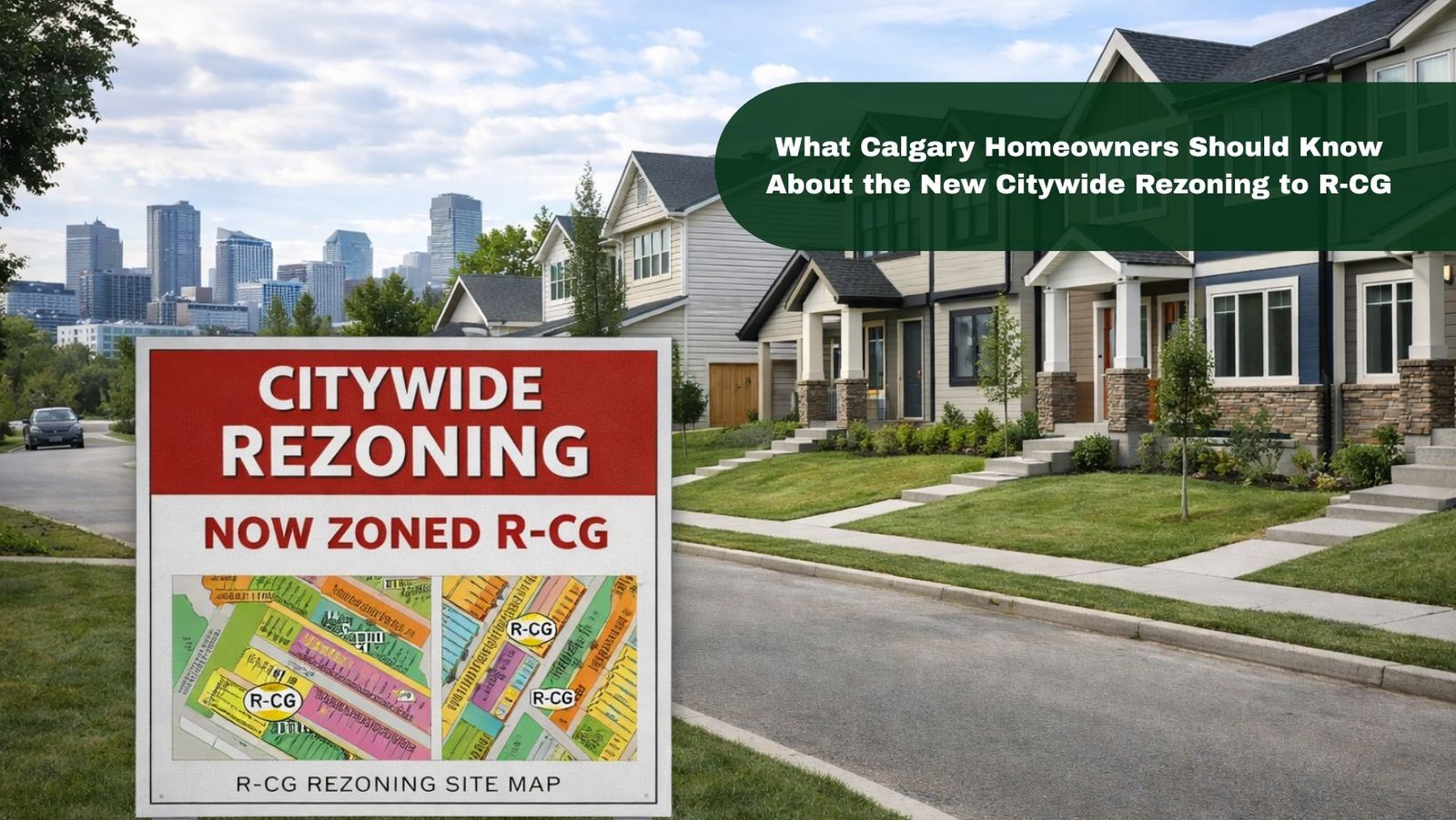
What Calgary Homeowners Should Know About the New Citywide Rezoning to R-CG

Introduction

In 2026, the city of Calgary introduced one of the biggest changes in planning history with a city-wide rezoning project called R-CG. This rezoning has a direct impact on residential neighborhoods in the city and all property owners, including buyers, sellers, and investors. The goal of the rezoning project is to provide more housing options and allow for more flexible development opportunities in neighborhoods that were only suitable for single-family detached homes in the past.

For most homeowners, the term R-CG may be unfamiliar, but the impact is very real. Knowing what R-CG means can help homeowners make informed decisions about their properties.

What Is R-CG Zoning

R-CG is short for Residential Grade Oriented Infill. It is a type of zoning that permits a broader range of low-density residential types on residential lots. Before the zoning, many residential areas were only allowed to have single-family detached homes or semi-detached homes in limited numbers.

Through the rezoning of R-CG in the city, residents are now allowed to build duplexes, row houses, and, in some instances, secondary suites or backyard suites on lots that were not previously allowed. The aim is to achieve what is called gentle density in the neighborhood, which is a higher density of homes without high-rise buildings.

Why Calgary Introduced Citywide Rezoning

Calgary has been experiencing significant growth in population. On the other hand, housing affordability has emerged as a concern. This is due to the lack of housing supply to meet the growing demand.

The rezoning of Calgary to R-CG rezoning is part of the housing plan to meet the challenges. Calgary is trying to spread growth by allowing various types of housing in the city instead of focusing on specific locations.

Raising the number of units that can be developed on existing land helps to increase supply. This can help to ease the pressure on prices in the future and create more entry-level ownership.

How R-CG Rezoning Affects Homeowners

For those who are already homeowners, R-CG rezoning brings new opportunities. A piece of land that could only accommodate one detached house before can now be developed to accommodate multiple units. This brings more flexibility to land use and may even increase the value of the land in some areas.

Homeowners who are planning to sell their properties may see an increase in the number of people interested in buying their property, especially from developers who are interested in redeveloping the land. Land in prime locations near public transportation, schools, and business districts may be in high demand.

For those homeowners who decide not to sell but to stay in their properties, the rezoning gives them the opportunity to develop a secondary suite or a backyard suite, depending on the guidelines imposed by the city. This will allow families to stay in their communities while also earning money from the rental suite.

What It Means for Property Values

Offices rezoning the entire city does not necessarily raise property value, but it may affect market perception. If the land has the potential for higher density, the developer may consider it more valuable for redevelopment.

In already developed areas with high demand, properties zoned R-CG may attract more buyers interested in constructing duplexes or row houses. This may drive up the value of lots, especially in the inner city.

But not all properties will be affected equally. It is up to the homeowner to determine the impact on their area before making any decisions.

Impact on Neighborhood Character

One of the concerns of the residents is whether rezoning the city will result in a drastic change in the character of the neighborhoods. The R-CG classification is intended to encourage low-rise and ground-oriented development instead of high-density towers.

Row houses and duplexes are usually restricted in terms of height and scale to match the existing homes. The aim is to achieve a gradual density instead of a drastic change. Eventually, the neighborhoods will experience more housing variety, but the residential character will be retained.

Infrastructure planning is also involved. The city takes into consideration the proximity to transit, schools, and services in supporting density to ensure that the communities remain functional and livable.

Opportunities for Investors and Builders

For investors and small-scale developers, the R-CG rezoning brings new opportunities. Some lots were only good for one dwelling unit, but now they can be used for multi-unit projects. This will improve the viability of projects and give better returns.

Developers can focus on building duplexes or row houses that will appeal to first-time buyers who are looking for more affordable alternatives to single-family homes. Small-scale infill projects can fill the gap between single-family homes and apartment complexes.

Long-Term Housing Market Effects

The citywide rezoning of R-CG is a long-term plan rather than a short-term fix. The increase in density is intended to support the housing market over the next ten years.

A more varied range of housing may help stabilize price increases by providing alternatives at various price levels. This includes entry-level ownership units and smaller family homes in established neighborhoods.

Conclusion

The rezoning to R-CG is a significant change in the use of residential land in Calgary. The rezoning allows for duplexes, row houses, and secondary suites in many neighborhoods, which will provide more housing and make it more affordable in the long run.

This rezoning is an opportunity for homeowners to redevelop their properties in a different way. It is also an opportunity for homeowners to earn rental income. For buyers, it is an opportunity to purchase a different type of housing. It is important to understand the zoning of R-CG in relation to your property.

Earn Rental Income with Basement Suites: How to Use Calgary’s $10K Incentive.

Introduction

Calgary homeowners search for effective solutions to help them control rising mortgage expenses while building wealth for their future needs. Homeowners can achieve financial success by developing legal basement suites, which are their most effective method. The strong rental market throughout the city, combined with limited housing options, has made secondary suites a highly effective income-producing option.

The City of Calgary provides financial support of up to 10000 dollars through its Secondary Suite Incentive Program to promote safe and legal suite development. The financial assistance enables essential safety improvements that help achieve compliance with building codes for basement suites. Homeowners benefit from reduced renovation costs and faster financial payback. The opportunity allows investors to increase their property value while generating additional cash flow through monthly rental income.

Understanding Calgary’s 10 k Dollar Secondary Suite Incentive

The Secondary Suite Incentive Program was introduced as part of the city’s housing strategy to increase the number of safe and legal rental units. Many basement suites in the past were built without proper permits or safety measures. Homeowners now receive financial incentives from the city to achieve legal status for existing suites or construct new ones through city-approved upgrade costs.

Homeowners who meet the requirements can receive a maximum benefit of $10,000 after they complete recognized improvements and their work passes inspection. The Incentive is not simply free money. The system needs to ensure that all suites fulfill building requirements,d fire regulations, and safety requirements. The system protects homeowners and tenants while it helps Calgary increase its housing inventory.

What Expenses Are Covered Under the Program

The Incentive is specifically aimed at improving life safety, which is mandatory in building codes for secondary suites. The improvement is achieved by installing egress windows, which serve as escape routes in emergencies. The building code requires the installation of smoke and carbon monoxide alarms in accordance with certain installation requirements. There should be fire separation between the main dwelling and the basement suite to prevent the spread of fire.

Common enhancements undertaken by the organization include providing safe exit routes, upgrading the electrical system, and upgrading the heating or ventilation system to ensure comfortable airflow for tenants. The maximum reimbursement amount increases with each completed safety improvement.

The overall enhancements undertaken by the organization include the provision of safe exit routes, the upgrade of the electrical system, and the upgrade of the heating or ventilation system to ensure comfortable airflow for tenants. The maximum reimbursement amount increases with each completed safety improvement.

How Basement Suites Create Strong Rental Income

A legal basement suite in Calgary can provide a steady and reliable source of rental income. The basement suite rental income ranges from 1200 to 2000 dollars per month, depending on the location, size, and amenities of the suite. Rental income in these locations is in high demand, as individuals are interested in residing close to public transportation, educational institutions, and shopping centers.

The extra income from this source allows homeowners to reduce their mortgage payments each month. Homeowners primarily use income from this source to cover housing expenses, helping them save money and improve cash flow. The steady income from this investment source allows homeowners to build equity faster, as it increases their overall property value.

How to Be Eligible for the $10k Incentive

Homeowners should confirm the zoning regulations governing their property before building secondary suites. Certain regions enforce specific regulations that their residents must adhere to. People can avoid costly errors by consulting experienced real estate experts or researching municipal regulations.

After verifying eligibility, the process moves forward to developing building and development permit applications. Work should not begin until permits are approved. The process ensures that all upgrades match local building codes and industry standards.

Long-Term Benefits Beyond Immediate Cash Flow

There are many advantages to your statement that go beyond the original purpose of creating rental income. A house with a legal secondary suite will experience an increase in market value and demand at the time of sale. The potential for income generation from properties is the main draw for purchasers in the competitive Calgary market.

Calgary homeowners can add value to their property and earn rental income by constructing a legal basement suite. The City of Calgary provides up to $ 10,000 in the Secondary Suite Incentive to encourage homeowners to renovate and improve their financial security.

Conclusion

Calgary homeowners can use legal basement suites to generate income while building their property equity. The addition of an income unit to a property increases cash flow due to strong rental demand and rising property values. The Secondary Suite Incentive Program provides funding support to Calgary homeowners who need financing for eligible home improvement projects. Homeowners who meet safety standards, including permit requirements, can develop compliant rental properties that enhance their financial security.

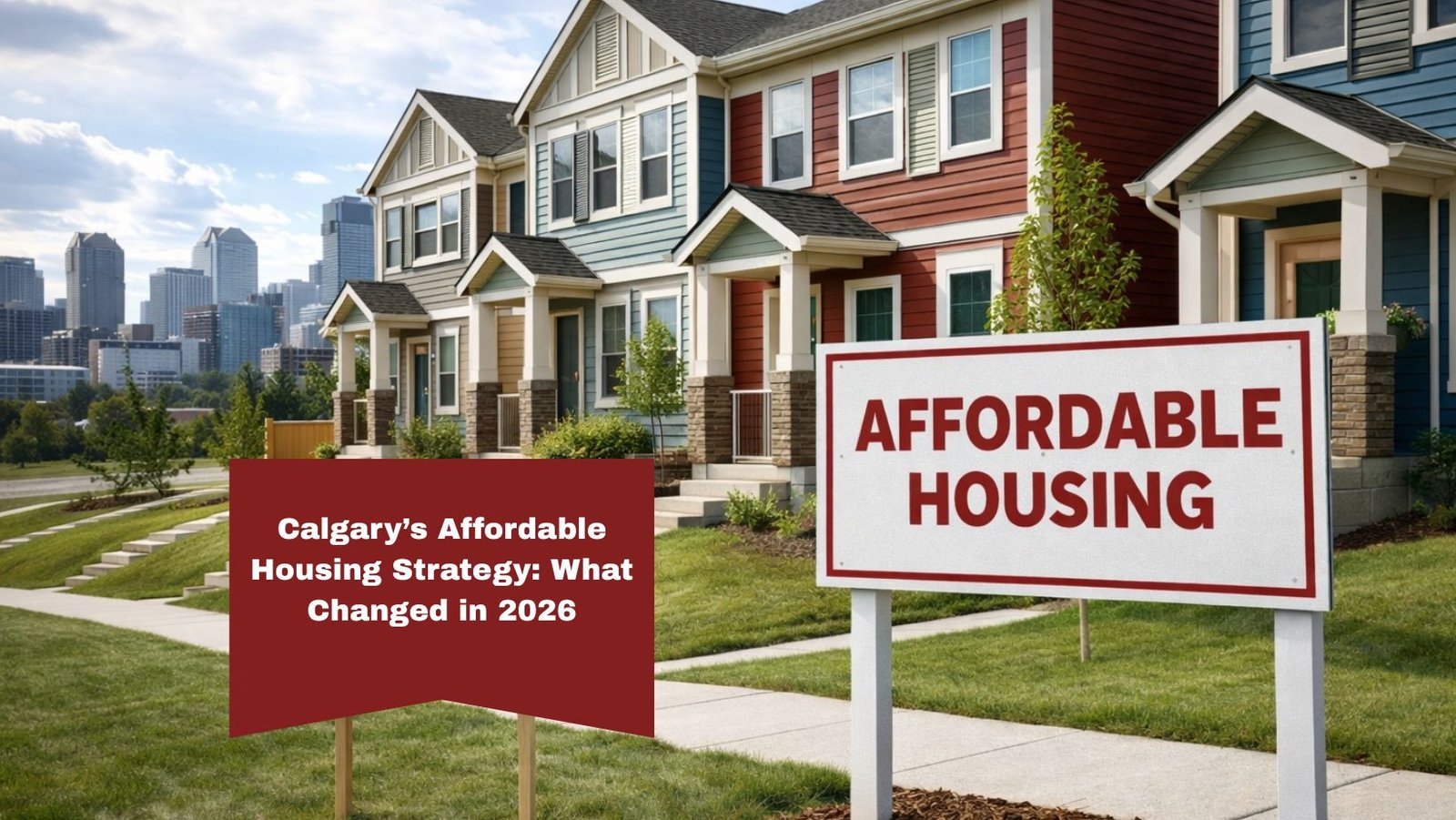
Calgary’s Affordable Housing Strategy: What Changed in 2026

Introduction

One of the most topical issues in Calgary is the affordability of housing. The City has been experiencing rapid growth in population, and with this, the cost of construction has gone up. Moreover, the demand for rental accommodation has been steadily rising, making it difficult for individuals to afford housing. To overcome this problem, the City has updated its Affordable Housing Strategy in 2026 to ensure long-term sustainability in housing.

The updates in 2026 are expected to enhance the supply of housing in the City, irrespective of the cost. The strategy seeks to ensure faster approvals, flexibility in zoning, financial rewards, and collaboration. These updates are having a significant impact on how individuals perceive real estate in Calgary.

Faster Approvals and Reduced Red Tape

Among the most significant updates in 2026 is the emphasis on faster approvals of developments. Previously, the slow process of approving permits was one of the issues that slowed down the development of housing. The City has made it simpler for developments that qualify for affordability.

In this way, by cutting down on administrative delays, developers will be able to go from the planning stage to the construction stage more quickly. This will help to reduce holding costs and will enable new housing units to enter the market more quickly.

This change indicates that the City understands that the speed of supply is a key element in managing housing costs. By speeding up development, it is hoped that the pressure on both rental and resale markets will be alleviated.

Expanded Support for Secondary Suites

Secondary suites are also a key component of the new strategy. The City enhanced programs that encourage homeowners to build legal secondary suites in their basements and backyard suites. Financial assistance is provided to offset the costs of safety upgrades, permits, and compliance.

Through the promotion of secondary suites, the City of Calgary is able to provide more rental units without necessarily focusing on high-rise buildings. This strategy enables the City to develop new neighborhoods with increased housing density without changing their character.

For homeowners, the development of legal secondary suites provides an opportunity to earn rental income that can help offset the costs of a mortgage. Legal secondary suites also enhance tenant safety and standards in neighborhoods.

Zoning Reform and Increased Housing Density

The 2026 strategy continues the momentum of previous zoning reforms that have increased the types of housing allowed in what were once single-family neighborhoods. This gives property owners the ability to build duplexes, row houses, and multi-unit structures in areas that were once zoned against such development.

This is a positive step towards a goal that urban planners refer to as gentle density. Rather than focusing development on a few high-rise hubs, development can be spread more evenly throughout the city. This makes development more affordable by providing more entry-level ownership opportunities.

Zoning reform is also a positive step towards better land use. More people can live in closer proximity to transit corridors, schools, and commercial hubs. This cuts down on commute times and promotes sustainable development.

Stronger Public and Private Partnerships

Another significant update in 2026 is the focus on collaboration between the City, private developers, and non-profit housing organizations. Affordable housing projects may need collaboration on funding and risk management.

The City is using public land for affordable projects and financial instruments that appeal to long-term investors.
Collaboration with experienced developers and housing organizations can help projects advance more quickly and reach the desired income level.

Public-private partnerships can ensure a balance between profit and public good. Developers will have better incentives, and residents will have more opportunities for below-market-rate housing. This approach is crucial to the long-term success of the strategy.

Financial Incentives and Long-Term Targets

The revised Affordable Housing Strategy also sets out more specific long-term objectives. The City has set out specific objectives to boost the supply of housing over the coming decade. These objectives are accompanied by funding programs, infrastructure investment, and policy changes.

Financial incentives could be in the form of grants, fee waivers, or tax incentives for projects that satisfy affordability criteria. Infrastructure investments such as enhanced transit and the extension of utilities make new developments more attractive.

Long-term planning ensures that affordability is kept on the agenda regardless of market trends in the short term. With specific objectives and monitoring of progress, the City can make changes to policies as required while keeping everything transparent.

Impact on Buyers, Sellers, and Investors

The implications of the 2026 changes are relevant to all parties involved in the real estate market in Calgary. Buyers may have more housing available to them, especially in the entry-level and multi-unit markets. Sellers in areas that support higher density may benefit from the increased land value.

Investors may have new opportunities in secondary suites, duplexes, and small-scale redevelopment projects. The focus on supply growth establishes a scenario that promotes sound investment to meet the housing demand.

Renters will benefit from the increased supply, which will reduce competition for housing and eventually lead to a stable rental market. While adjustments in the market do not occur immediately, the increased activity in construction will promote affordability in the long term.

Conclusion

The 2026 changes to the Affordable Housing Strategy in Calgary represent a holistic approach to dealing with shortages and accessibility. Through easier approval processes, increased zoning, partnerships, and financial incentives, the City is working to create a balanced housing market.

The changes are creating a new landscape in terms of development and opportunities for homeowners and investors. Although affordability is a complex issue, the new strategy is a systematic and forward-looking approach to promoting sustainable growth in the Calgary housing market.

Mortgage Rates Outlook 2026: Opportunity for Buyers and Renewal Tips

Are mortgage rates finally turning into an opportunity instead of an obstacle in 2026?

If you’re buying your first home, upsizing, or staring at a renewal notice with a knot in your stomach, this question has probably crossed your mind more than once. The good news? 2026 is shaping up to be less about fear and more about strategy. By the end of this guide, you’ll walk away with a clear understanding of where mortgage rates in Canada are headed, whether variable vs fixed rate 2026 makes sense for you, and practical Calgary mortgage broker tips to help you make confident, money-smart decisions.

Let’s talk mortgages. Not in stiff banker language, but real talk.

Mortgage Rates in Context: How Did We Get Here?

Before we jump into the mortgage rate forecast Canada 2026, it helps to understand the road we’ve travelled.

The last few years felt like a roller coaster with no seatbelt. Rapid rate hikes, inflation anxiety, and economic uncertainty made buyers hesitant and renewals stressful. Many homeowners in Calgary told me the same thing:

“Jai, I feel like I missed the best window.”

Here’s the truth. There isn’t one perfect window. There are opportunities, and 2026 is quietly opening one.

By late 2025, inflation cooled, and the Bank of Canada shifted from aggressive tightening to a more balanced approach. That shift matters. A lot.

Mortgage Rate Forecast Canada 2026: What Experts Are Saying

So, where are rates actually heading?

Most economic forecasts suggest 2026 will be a year of rate stabilization, with modest downward adjustments rather than dramatic drops.

What this means in plain English

  • No sudden shock hikes

  • No “free money” rates like 2020

  • Predictability is back on the menu

That’s a big deal.

Expected trends

  • Fixed mortgage rates may gradually ease as bond yields soften

  • Variable rates could become more attractive as policy rates plateau

  • Lenders will compete harder for qualified buyers

For Calgary buyers especially, this matters. Our market tends to move on confidence. When buyers feel steady, activity picks up.

Why 2026 Could Be a Sneaky-Good Year for Buyers

Let me ask you something.

Have you noticed fewer bidding wars lately?

That’s not a coincidence.

Buyer advantages in 2026

  • More balanced inventory

  • Less emotional buying

  • Stronger negotiating power

  • Motivated sellers, especially on renewals or relocations

In Calgary, we’re seeing something rare. Opportunity without chaos.

Homes are still holding value, but buyers have room to breathe, think, and negotiate. That’s when smart decisions happen.

Variable vs Fixed Rate 2026: The Big Debate (Settled Honestly)

Ah yes, the dinner-table argument of Canadian real estate.

“Should I go fixed or variable?”

Let’s ditch the one-size-fits-all advice.

Fixed Rate Mortgages in 2026

Best for:

  • Budget lovers

  • Families with tight monthly planning

  • Anyone losing sleep over rate changes

Pros

  • Payment stability

  • Protection from future hikes

  • Easier long-term planning

Cons

  • Less flexibility

  • Potentially higher starting rate

Variable Rate Mortgages in 2026

Best for:

  • Buyers with financial cushion

  • Shorter-term homeowners

  • Risk-tolerant planners

Pros

  • Historically lower over time

  • Flexibility to break or convert

  • Potential savings if rates ease

Cons

  • Monthly uncertainty

  • Emotional stress during fluctuations

My honest take

In variable vs fixed rate 2026, the gap between the two is narrowing. That’s important. The decision should come down to your life, not headlines.

Are you planning a baby? Career change? Upsizing in five years? These answers matter more than rate decimals.

Mortgage Renewal in 2026: Don’t Sleepwalk Through It

If your mortgage is renewing in 2026, please hear this.

The biggest mistake I see homeowners make?

Automatically renewing with their current lender.

That convenience can cost you thousands.

Mortgage Renewal Strategies 2026

Here’s how to approach renewals like a pro:

  • Start reviewing options 6 months early

  • Compare fixed and variable offers

  • Negotiate, yes negotiate, with your lender

  • Consider shorter terms if flexibility matters

And most importantly…

Talk to a local expert

Generic advice doesn’t work in local markets. Calgary has its own rhythm, price points, and lender behaviour.

Calgary Mortgage Broker Tips You’ll Actually Use

Let’s make this practical.

Tip #1: Stress-test your comfort, not just your approval

Just because a bank approves you doesn’t mean you should max out.

Tip #2: Watch amortizations

Some low-payment offers quietly stretch amortization. That’s fine short-term, costly long-term.

Tip #3: Align mortgage term with life plans

Five-year fixed sounds safe, but what if you sell in three?

Tip #4: Don’t ignore prepayment privileges

They matter more when rates stabilize.

Tip #5: Local insight beats national averages

Calgary employment trends, energy sector movement, and migration patterns all affect risk.

These Calgary mortgage broker tips come from real conversations, not theory.

Calgary Real Estate Market 2026: The Local Pulse

Let’s talk home turf.

Calgary continues to attract:

  • Interprovincial buyers

  • Investors seeking value

  • Young families priced out of larger cities

Combined with a steady mortgage outlook, this creates a unique mix of caution and optimism.

Neighbourhoods with strong fundamentals, schools, transit access, and lifestyle amenities will continue to outperform. Detached homes remain resilient, while townhomes and duplexes attract first-time buyers.

Is 2026 the Best Time to Buy a Home in Calgary?

Short answer?

It can be.

Long answer?

It depends on preparation, not timing.

The buyers who win in 2026 will:

  • Understand their mortgage options

  • Avoid emotional bidding

  • Lock strategies before shopping

  • Work with local professionals

Opportunity doesn’t knock loudly. It taps politely.

Common Questions I Hear from Buyers and Renewers

“Should I wait for rates to drop further?”
Waiting can cost more in rising prices than it saves in rate reductions.

“Is variable risky right now?”
Risk depends on cash flow, not headlines.

“Can I switch lenders at renewal?”
Yes, and often you should explore it.

“Is Calgary still affordable compared to other cities?”
Absolutely, especially when paired with smart financing.

Confidence Beats Prediction

Here’s the thing.

No one can predict mortgage rates perfectly. Not economists. Not banks. Not me.

But you don’t need perfect predictions. You need clarity, options, and a plan.

The mortgage rate forecast Canada 2026 suggests stability. The variable vs fixed rate 2026 debate now favours personalization over panic. And with the right Calgary mortgage broker tips, buyers and homeowners can turn uncertainty into leverage.

If you’re navigating a purchase, renewal, or just trying to understand your next move, Jai Chaudhary Real Estate is happy to help you and remember this:

The smartest decisions aren’t rushed. They’re informed.

And that’s exactly where opportunity lives.

Calgary Real Estate Market Forecast 2026: What Buyers & Sellers Must Know

Are you wondering whether 2026 will be the year Calgary’s real estate market finally takes a deep breath, or the year it breaks into a full sprint again?

If you have ever stared at a “For Sale” sign on a crisp Calgary morning and thought, Should I jump in now or wait? you are not alone. This blog is your compass. By the end of it, you will walk away with a clear, grounded understanding of where the market is headed, what it means for your wallet, and how to make smarter real estate decisions in Calgary with confidence rather than guesswork.

Setting the Stage: Where Calgary Stands Today

Before we talk about the future, let us talk about now. Calgary has always danced to its own rhythm. While other Canadian cities march to a steady beat, Calgary sometimes jazzes things up with tempo changes driven by energy prices, migration waves, and a famously entrepreneurial spirit.

Over the last few years, Calgary has been the “quiet achiever” of Canadian real estate. While buyers in Vancouver and Toronto were wincing at eye-watering prices, Calgary quietly became the city people moved to. Affordable housing, strong job creation, and lifestyle perks like mountain access and big-sky living made Calgary a magnet.

And that matters. Because real estate markets do not reset overnight. They carry momentum. Think of it like pushing a sled down a hill. You do not need to keep pushing forever. Once it gets moving, physics takes over.

So the real question is not if Calgary’s market will move in 2026, but how.

Calgary Housing Market Predictions 2026: The Big Picture

Let us start with the headline everyone wants to read.

What will the Calgary housing market look like in 2026?

In simple terms, Calgary is expected to shift from a red-hot seller’s market into something more balanced, but still healthy. Not a crash. Not a freeze. More like a market that finally learns to exhale.

Here is what that means in everyday language:

  • Prices will likely continue to rise, but at a slower, more sustainable pace

  • Buyers will see slightly more choice and breathing room

  • Sellers will still benefit, but pricing strategy will matter more than ever

The days of throwing a listing online and watching offers pile up like snowdrifts may ease, but Calgary’s long-term fundamentals remain strong.

Real Estate Forecast Canada: How Calgary Fits into the National Puzzle

To understand Calgary’s future, we need to zoom out for a moment.

The real estate forecast Canada for 2026 suggests a country moving toward stabilization. Interest rates are expected to gradually normalize. Inflation pressures are easing. Wage growth is slowly catching up. All of this points to a calmer, more predictable housing environment nationwide.

But here is the twist.

Calgary does not behave like most Canadian cities.

While some markets are still wrestling with affordability crises, Calgary remains one of the last major urban centers where middle-class families can realistically buy detached homes. That relative affordability is Calgary’s secret sauce.

So while Canada as a whole may experience modest growth, Calgary is likely to outperform the national average, especially in:

  • Entry-level homes

  • Townhouses and duplexes

  • Well-located suburban properties

In other words, Calgary continues to be the “value city” with upside.

Calgary Property Prices 2026: What the Numbers Are Telling Us

Now let us talk money. Because feelings aside, numbers tell stories too.

Will Calgary property prices rise in 2026?

Short answer: yes.
Longer answer: yes, but gently.

Most forecasts suggest Calgary property prices 2026 will see moderate appreciation, likely in the range of low to mid single digits annually. That might not sound dramatic, but in real estate, consistency beats fireworks

Several factors support this outlook:

  • Continued interprovincial migration

  • Strong employment tied to energy, tech, and logistics

  • Limited housing supply in certain price brackets

Detached homes in desirable neighborhoods are expected to remain resilient. Condos may see more mixed performance, depending on location, building age, and amenities.

Think of it like this. Calgary is not sprinting anymore. It is jogging. And jogging is sustainable.

Buyer’s Corner: What 2026 Means If You’re Buying

Let me speak directly to buyers for a moment.

If you have been sitting on the sidelines, watching prices creep up and wondering if you missed your chance, take a breath. You have not.

Why 2026 Could Be a Smart Buying Year

  • More listings may enter the market as sellers test conditions

  • Less frantic competition compared to peak years

  • More negotiating power for prepared buyers

That said, this is not a clearance sale. Well-priced homes in good areas will still move quickly. The difference is that buyers who do their homework will not feel rushed into panic decisions.

Here is a friendly tip from experience:
The best buyers in 2026 will not be the fastest. They will be the most prepared.

That means:

  • Mortgage pre-approval done early

  • Clear priorities, not endless “maybe” lists

  • A local expert who understands Calgary’s micro-markets

Buying in Calgary has always rewarded patience mixed with decisiveness. 2026 will be no different.

Seller’s Corner: What 2026 Means If You’re Selling

Now, sellers, let us talk.

If you bought your home even a few years ago, chances are you are sitting on solid equity. Calgary’s growth has been kind. But 2026 will reward strategy, not shortcuts.

What Smart Sellers Will Do Differently in 2026

  • Price realistically, not aspirationally

  • Invest in presentation and staging

  • Market homes with strong storytelling, not just specs

The market will no longer do all the heavy lifting for you. Buyers will compare. They will pause. They will ask questions. And honestly, that is a good thing. It creates healthier transactions.

Homes that are priced right and presented well will still sell. Homes that chase yesterday’s peak prices may linger.

And nobody likes a listing that overstays its welcome.

Calgary Neighbourhood Trends: Micro-Markets Matter More Than Ever

One of the biggest mistakes people make is talking about Calgary as one giant market.

It is not.

Calgary is a collection of micro-markets stitched together by roads, rivers, and personal lifestyles. In 2026, neighbourhood-level trends will matter more than city-wide averages.

Neighbourhoods Likely to Stay Strong

  • Established communities with good schools

  • Areas close to transit and employment hubs

  • Suburbs offering newer homes at reasonable prices

Lifestyle still sells in Calgary. Proximity to parks, pathways, and commute routes carries weight. People are buying more than houses. They are buying how they want to live.

A Little Calgary Context: Why This City Keeps Surprising Us

There is something about Calgary that data alone cannot explain.

Maybe it is the optimism. Maybe it is the way people here reinvent themselves during downturns. Or maybe it is that prairie resilience mixed with mountain ambition.

Historically, Calgary has bounced back faster than expected. Each cycle leaves the city a little more diversified, a little more mature, and a lot more interesting.

By 2026, Calgary is not just an energy city. It is a logistics hub, a tech corridor, a startup incubator, and a family-friendly destination. Real estate reflects that evolution.

Common Questions I Hear Every Day

“Should I wait for prices to drop?”

Timing the market perfectly is like predicting Chinook winds. You might get lucky, but planning for it is risky. Focus on value and long-term goals.

“Will interest rates ruin affordability?”

Rates matter, but so do incomes, prices, and lifestyle trade-offs. Calgary remains more affordable than most major cities, even with modest rate changes.

“Is 2026 risky?”

Every year carries risk. The question is whether it is informed risk or emotional risk. Knowledge reduces fear. That is what this forecast is about.

Turning Insight into Action

The Calgary housing market predictions 2026 point toward stability, opportunity, and smarter decision-making. The real estate forecast Canada suggests calmer waters ahead. And Calgary property prices 2026 indicate steady growth rather than dramatic swings.

This is not a market for speculation. It is a market for intention.

Whether you are buying your first home, upsizing for a growing family, or selling to fund the next chapter, 2026 rewards clarity, preparation, and expertise of a top rated Calgary Real Estate agent.

Real estate is never just about bricks and numbers. It is about timing, trust, and understanding the story behind the statistics.

And if there is one thing Calgary has always been good at, it is writing its own story.

If you are ready to be part of the next chapter, make sure you are not just watching the market. Make sure you understand it.

That is where confidence lives.

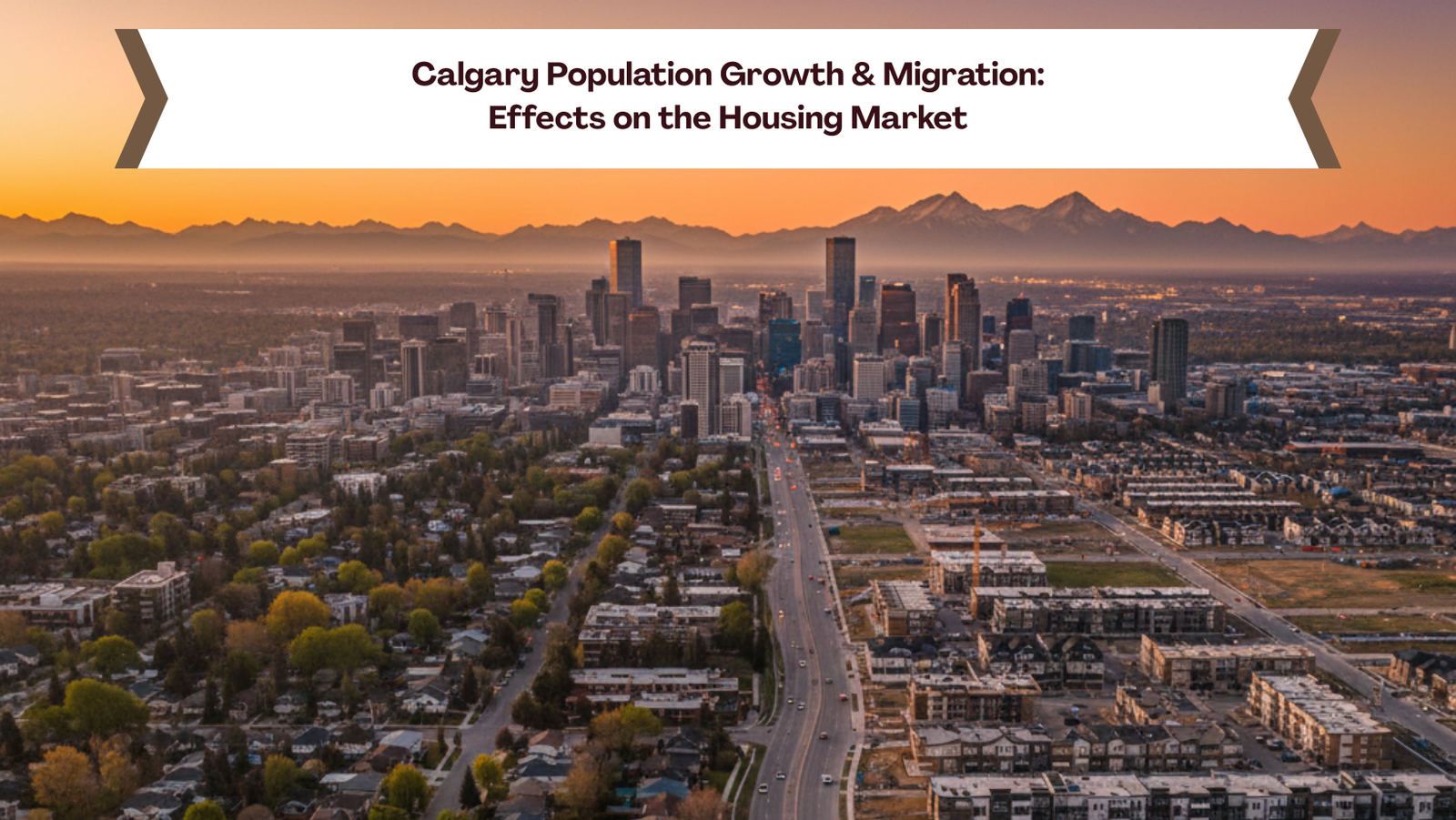
Calgary Population Growth & Migration: Effects on the Housing Market

Is Calgary growing faster than its homes can keep up with?

If you have felt like “For Sale” signs vanish overnight, rental listings feel tighter than rush hour on Deerfoot Trail, or dinner conversations keep circling back to “everyone seems to be moving here,” you are not imagining things. Calgary is in the middle of a population and migration moment that is reshaping how, where, and why people buy homes. By the time you finish this blog, you will understand exactly how population growth and migration are affecting Calgary’s housing market, what it means for buyers and sellers, and how to make smarter real estate decisions in a city that is evolving in real time.

Understanding Calgary Population Growth 2025

Calgary has always had growth spurts tied to opportunity. Oil booms, tech waves, and affordability cycles have pulled people in like a magnet. What feels different now is the pace and diversity of that growth.

Population growth is not just a statistic buried in a government report. It shows up in everyday life. More kids in playgrounds. Longer lines at brunch spots. New communities popping up where open land used to be. As we move through Calgary population growth 2025, the city is welcoming people from across Canada and beyond, all bringing different housing needs with them.

What is driving this growth?

  • Strong job creation across multiple sectors

  • Comparatively affordable housing versus Toronto and Vancouver

  • Lifestyle appeal, from the Rockies to urban river pathways

  • A reputation for resilience and opportunity

Calgary is no longer just a “move here for oil and gas” city. It is a place where young professionals, growing families, entrepreneurs, and retirees all see a future.

Calgary’s Migration Story: More Than Just Numbers

Calgary Migration Trends Explained

Migration is not a single stream. It is a collection of stories. Some people arrive with moving trucks and big plans. Others come with suitcases and a “let’s see how this goes” mindset. 

Together, these stories form the backbone of current Calgary migration trends.

There are two main types shaping the market right now:

  1. Interprovincial migration, especially from Ontario and British Columbia

  2. International migration, including students, skilled workers, and families

Each group impacts housing differently, which is why understanding who is moving matters as much as how many are moving.

The Power of Calgary Interprovincial Migration

If there is one phrase that keeps coming up in conversations with clients, it is this: “We just couldn’t afford it back home anymore.” That sentence sums up much of Calgary interprovincial migration.

People relocating from provinces with higher housing costs are often arriving with equity. This has several ripple effects:

  • Increased competition for detached homes

  • Faster decision-making by buyers

  • Strong interest in family-friendly neighbourhoods

  • Willingness to renovate or upgrade quickly

These buyers often compare Calgary prices to what they sold for elsewhere, and suddenly a home that feels expensive locally still looks like a bargain to them. This mindset has quietly but firmly pushed prices upward in certain segments.

How Migration Fuels Calgary Housing Demand

Demand Is Not Just About Quantity

Housing demand is not simply “more people equals more houses.” It is about what kind of homes people want and where they want them.

Current Calgary housing demand shows strong interest in:

  • Detached and semi-detached homes in established neighbourhoods

  • Townhomes and duplexes near transit and amenities

  • Rental properties for newcomers testing the waters

  • Homes with space for remote work

The work-from-home shift has added an extra layer. Buyers are prioritizing home offices, finished basements, and flexible layouts. Migration has amplified this trend, especially among professionals arriving from larger cities.

Calgary’s Rental Market Under Pressure

While homeownership gets most of the headlines, the rental market tells an equally important story. Many newcomers rent first. They want to understand neighbourhoods, commutes, and schools before buying.

This has led to:

  • Lower vacancy rates

  • Rising rents across multiple property types

  • Increased interest from real estate investors

  • More competition for well-maintained units

For renters, this can feel stressful. For investors, it presents opportunity. For the city, it signals a need for balanced housing development.

The Neighbourhood Effect: Where Growth Hits Hardest

Not all parts of Calgary experience growth the same way. Migration patterns tend to concentrate demand in specific areas.

Some common themes I see as a local real estate professional:

  • Inner-city communities attract young professionals and downsizers

  • Suburban communities appeal to families arriving from out of province

  • Transit-oriented areas draw renters and first-time buyers

  • Newer developments attract those seeking modern layouts and energy efficiency

Calgary’s geography plays a role here too. Proximity to downtown, access to major roadways, and lifestyle amenities all influence where demand lands.

Supply vs Demand: The Housing Squeeze

Here is the tension at the heart of the market. While population growth and migration increase demand, housing supply does not always move at the same speed.

Why?

  • Construction timelines are long

  • Labour and material costs remain high

  • Zoning and approval processes take time

  • Infrastructure needs must be met

When demand outpaces supply, prices rise. It is not personal. It is math. This dynamic has been especially visible during periods of strong Calgary population growth 2025 projections.

What This Means for Buyers

Buying in a growth-driven market can feel overwhelming, but clarity changes everything.

If you are a buyer, here is what matters most:

  • Preparation beats panic

  • Understanding neighbourhood value is key

  • Flexibility can save money and stress

  • Timing matters, but strategy matters more

I often tell buyers that this is not about “winning” a bidding war. It is about making a smart, sustainable decision that fits your life. Calgary still offers value, but it rewards informed buyers.

What This Means for Sellers

For sellers, population growth and migration have shifted the balance in your favour, but only if you approach it correctly.

Strong demand does not eliminate the need for:

  • Proper pricing

  • Strategic marketing

  • Professional presentation

  • Realistic expectations

Homes that are priced and prepared well often attract serious interest quickly. Homes that miss the mark can still sit, even in a busy market. Growth amplifies both success and mistakes.

A Human Moment: Real Stories From the Market

One of my clients recently moved from Vancouver. They told me their Calgary home cost less than their old condo, and came with a yard, a garage, and room for their dog to finally run. Another family arrived from Ontario, initially planning to rent for a year. Six months later, they were buying, because Calgary felt like home sooner than expected.

These are not isolated stories. They are the living, breathing side of Calgary migration trends.

Calgary’s Cultural Pull

Calgary’s appeal is not just financial. It is cultural. The city balances ambition with approachability. People still say hello on walking paths. Neighbours chat. The Stampede spirit of community and resilience still hums beneath the skyline.

Migration brings new perspectives, cuisines, traditions, and energy. That cultural layering makes the city more dynamic, and it influences housing preferences too. People are not just buying homes. They are buying into a lifestyle.

Looking Ahead: What the Future Holds

As we look forward, several factors will shape the next phase of Calgary’s housing market:

  • Continued interprovincial migration

  • Infrastructure expansion

  • Policy decisions around housing supply

  • Economic diversification

If Calgary population growth 2025 stays on its current trajectory, housing demand will remain strong. The question is not whether the market will change, but how prepared you are to move with it.

Smart Moves in a Growing City

Whether you are buying, selling, investing, or simply watching the market, knowledge is your greatest asset.

Here are a few grounded takeaways:

  • Growth creates opportunity, but also competition

  • Migration reshapes neighbourhood dynamics

  • Demand favours well-positioned properties

  • Local expertise makes a measurable difference

Real estate is never just about numbers. It is about timing, emotion, goals, and context.

Calgary’s story right now is one of momentum. Population growth and migration are not abstract trends. They are shaping streets, schools, and kitchen tables across the city. Understanding how Calgary housing demand connects to Calgary interprovincial migration gives you clarity in a market that can otherwise feel noisy.

If you are thinking about making a move in or around Calgary, my advice is simple. Stay informed. Stay flexible. And work with a top rated Calgary Real Estate agent who understands not just the data, but the human stories behind it.

Because in a growing city, the smartest decisions are the ones grounded in both insight and empathy.

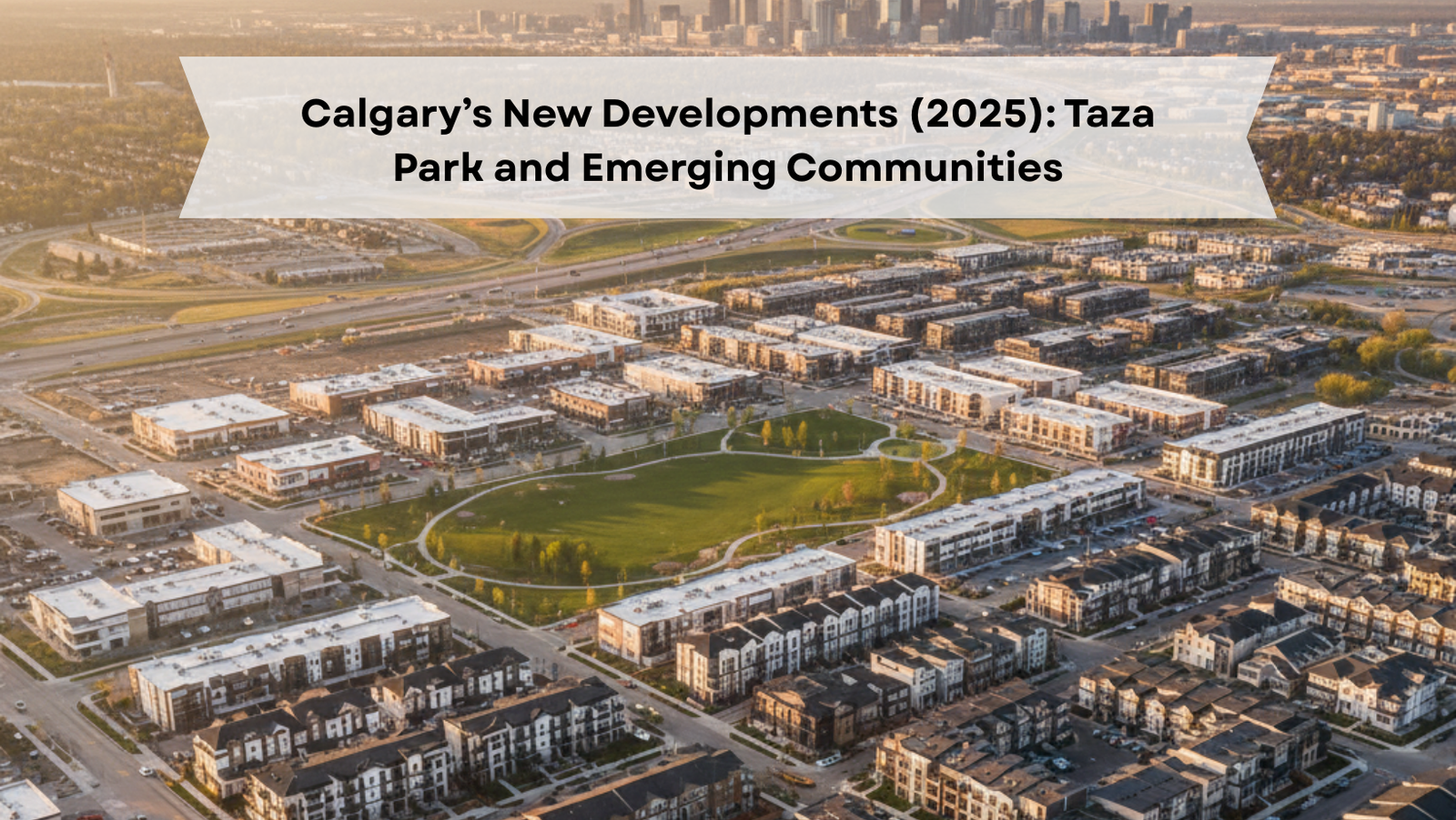
Calgary’s New Developments (2025): Taza Park and Emerging Communities

Have you noticed how Calgary never quite sits still, especially when it comes to where we live, grow, and put down roots?

If you’ve felt that familiar itch of curiosity while driving past new construction zones or hearing neighbours talk about the “next big community,” you’re not alone. Calgary is evolving again, and 2025 is shaping up to be a defining chapter. By the time you finish reading this blog, you’ll understand exactly how Calgary’s new developments in 2025, especially Taza Park Calgary and other emerging communities, could shape your next smart real estate move and help you stay one step ahead of the market.

Calgary’s New Developments (2025): Taza Park and Emerging Communities

If you’ve lived in Calgary long enough, you know the city grows in cycles. Boom, pause, rethink, repeat. But what’s happening now feels… intentional.

This isn’t just expansion for expansion’s sake. Calgary suburban development 2025 is about smarter planning, deeper community connections, and long-term livability. City planners, developers, and Indigenous partners are asking better questions than ever before:

  • How do people actually want to live?

  • What does “community” look like beyond houses and roads?

  • How do we balance growth with culture, nature, and sustainability?

And that’s where places like Taza Park Calgary come into the picture.

What Is Taza Park Calgary, Really?

Let’s clear up one thing first. Taza Park Calgary isn’t just another dot on the map or a buzzword developers like to toss around.

It’s a bold, master-planned development on Tsuut’ina Nation land, located in southwest Calgary, right along the ring road. And yes, that location alone already raises eyebrows in a good way.

But the real story goes deeper.

A Community Built on Partnership and Vision

Taza Park is being developed by Taza Development Corp., owned by the Tsuut’ina Nation. That matters. This is Indigenous-led development, guided by cultural values, economic foresight, and long-term stewardship.

In plain terms, this isn’t rushed growth. It’s thoughtful growth.

Expect:

  • Mixed-use residential areas

  • Retail and commercial hubs

  • Walkable spaces

  • Green infrastructure

  • Easy access to major roadways

And all of it wrapped in a design philosophy that respects land, people, and purpose.

Why Buyers Are Already Watching Taza Park Closely

Here’s a question I hear a lot lately:
“Jai, is Taza Park something I should seriously consider, or is it still too early?”

My honest answer? Early is often where the smartest decisions are made.

Here’s why Taza Park stands out in Calgary new communities 2025:

  • Strategic location: Southwest Calgary, minutes from major employment nodes

  • Ring Road access: Less commute stress, more weekend freedom

  • Future-forward design: Built for how people live today, not 20 years ago

  • Strong economic backing: Long-term vision, not short-term flipping

If Calgary were a chessboard, Taza Park would be a power move, not a filler square.

Calgary Master-Planned Communities: More Than Just Pretty Streets

Let’s zoom out for a moment.

When we talk about Calgary master-planned communities, we’re really talking about a shift in mindset. These communities are designed as ecosystems, not just housing clusters.

What Defines a True Master-Planned Community?

  • Schools, parks, and shops within reach

  • Thoughtful density, not overcrowding

  • Integrated public spaces

  • Future-ready infrastructure

  • A sense of identity, not cookie-cutter vibes

Calgary has learned from past developments. In 2025, the focus is on building places where people actually want to stay, not just pass through.

Other Emerging Communities Shaping Calgary in 2025

While Taza Park Calgary is grabbing headlines, it’s not alone. Several other areas are quietly, confidently redefining the city’s edges.

North Calgary: Growth with Breathing Room

Northern communities continue to attract families and investors alike.

Why?

  • Larger lots

  • New schools

  • Expanding commercial zones

  • Strong long-term appreciation potential

These areas fit perfectly into the broader picture of Calgary suburban development 2025, where space and accessibility coexist.

Southeast Calgary: The Underrated Contender

The southeast has been quietly transforming, and in 2025, it’s stepping into the spotlight.

Think:

  • Industrial growth fueling job creation

  • Improved transit planning

  • More affordable entry points for first-time buyers

If you’re someone who likes to zig when others zag, keep your eye here.

Southwest Calgary Beyond Taza

Taza Park may be the crown jewel, but surrounding southwest communities benefit from the ripple effect.

Infrastructure upgrades, new retail, and improved connectivity tend to lift the entire region. That’s real estate gravity at work.

How Calgary’s Culture Shapes Its Communities

Here’s something people from outside the city sometimes miss.

Calgary isn’t just a place. It’s a personality.

We’re practical but optimistic. Friendly, but direct. We love our Stampede, our pathways, our mountains in the distance, and yes, our heated garages.

New developments in Calgary new communities 2025 are increasingly reflecting that culture:

  • Spaces for community events

  • Pathways that actually connect to something

  • Homes designed for real winters, not just brochures

That cultural alignment is a big reason Calgary continues to attract newcomers from across Canada.

Who Should Be Looking at These New Developments?

Let’s talk real life for a second.

These communities aren’t one-size-fits-all, and that’s a good thing.

You might be a great fit if you’re:

  • A first-time buyer looking for long-term value

  • A growing family wanting newer schools and amenities

  • An investor thinking 5–10 years ahead

  • A downsizer who still wants community energy

And if you’re unsure where you fit, that’s okay too. Real estate decisions don’t need to be rushed. They need to be informed.

A Little Friendly Advice from Me to You

I’ll level with you.

Not every new development is a goldmine. Some will shine. Others will simply exist. The key is knowing why a community is being built, not just where.

When clients ask me about Calgary master-planned communities, I always suggest asking these questions:

  • Who is developing it, and what’s their track record?

  • What’s the long-term vision beyond Phase 1?

  • How does it connect to the rest of the city?

  • Who is this community really designed for?

Those answers matter more than glossy renderings ever will.

The Investment Angle: Looking Beyond 2025

Real estate rewards patience.

Communities like Taza Park Calgary aren’t about overnight wins. They’re about steady growth, desirability, and relevance over time.

Historically, Calgary communities that combine:

  • Strategic location

  • Strong infrastructure

  • Thoughtful planning

…tend to age well. And in real estate, aging well is the whole game.


So here we are.

Calgary in 2025 isn’t just expanding outward. It’s growing smarter, more inclusive, and more intentional. Developments like Taza Park Calgary and other emerging neighbourhoods aren’t just adding homes. They’re reshaping how we think about community, culture, and long-term value.

As someone who lives and breathes Calgary real estate, I genuinely believe this is an exciting time to be paying attention. Whether you’re buying, investing, or just curious, understanding Calgary suburban development 2025 gives you clarity in a market that often feels noisy.

And if you ever want to talk through what these changes mean for you, Jai Chaudhary Real Estate is always happy to have that conversation. No pressure. No jargon. Just honest advice, Calgary-style.

Because at the end of the day, the best real estate decisions are the ones that feel right now and make sense later.

Impact of Alberta’s 2025 Budget on Calgary Housing and Taxes

Have you been staring at Calgary home listings lately, coffee going cold, wondering whether Alberta’s 2025 Budget is about to make housing more affordable or quietly more complicated? If you live in Calgary, plan to buy here, or already own property, this budget is not just another political document collecting dust. It is a blueprint that shapes prices, taxes, neighbourhood growth, and even how confidently families plan their next chapter. By the end of this blog, you will clearly understand what Alberta’s 2025 Budget really means for Calgary housing and taxes, how it affects you personally, and how to turn these changes into smart real estate decisions.

Why Alberta’s 2025 Budget Matters to Calgary Homebuyers and Homeowners

Budgets can feel abstract. Lots of numbers, lots of speeches, and not much clarity. But in Calgary, the effects of Alberta’s 2025 Budget show up in very real ways. They show up in your property tax bill, your mortgage pre-approval, your rent cheque, and even the speed at which new communities rise on the city’s edges.

Calgary is a city shaped by cycles. We have weathered oil booms, economic slowdowns, and population surges. Recently, interprovincial migration has picked up pace. People are moving to Calgary for affordability, lifestyle, and opportunity. Alberta’s 2025 Budget steps into this moment, trying to balance growth without tipping affordability off the rails.

As a Realtor working closely with Calgary families, first-time buyers, and investors, I have learned one thing. Policy decisions matter most when translated into everyday language. So let’s do exactly that.

Alberta Budget 2025 Calgary: The Big Picture

Before diving into housing and taxes, we need context. The Alberta Budget 2025 Calgary conversation is shaped by three major goals:

  1. Supporting population growth without overwhelming infrastructure

  2. Addressing housing supply shortages

  3. Maintaining Alberta’s reputation for competitive taxation

Calgary is at the center of all three.

Population growth has been strong. More people mean more homes are needed. More homes require infrastructure, schools, transit, and utilities. That costs money. The budget attempts to strike a careful balance between investing in housing and not overburdening taxpayers.

And yes, that balance is where things get interesting.

Calgary Housing Spending 2025: Where the Money Is Going

Increased Investment in Housing Supply

One of the most talked-about aspects of Calgary housing spending 2025 is the focus on increasing supply. Alberta has acknowledged what buyers and renters have been saying for a while. Demand is strong, but supply has not kept up.

The 2025 Budget includes funding aimed at accelerating housing construction across major cities, with Calgary taking a prominent share. This funding is designed to:

  • Speed up residential development approvals

  • Support partnerships with municipalities

  • Encourage mixed-density projects

This matters because supply is the pressure valve for affordability. When more homes are built, prices have room to breathe.

What This Means for Buyers

For buyers, this signals cautious optimism. Increased housing supply does not mean prices suddenly drop, but it does help slow aggressive price growth. If you are a first-time buyer, this is encouraging news. More options mean less frantic bidding and slightly more negotiating power.

For move-up buyers, especially families looking for detached homes or townhouses, increased supply on the city’s edges could open doors to newer communities without extreme price jumps.

Calgary Affordable Housing 2025: Who Benefits Most?

Focus on Entry-Level and Rental Housing

The phrase Calgary affordable housing 2025 has been used frequently in budget discussions, and for good reason. The budget places emphasis on affordable housing initiatives, particularly rental units and entry-level ownership options.

These initiatives aim to:

  • Expand purpose-built rental housing

  • Support non-profit and community housing providers

  • Assist first-time buyers through affordability programs

Calgary’s rental market has been tight. Rising rents have been a concern, especially for young professionals, newcomers, and families trying to save for a down payment. Increased investment in rental housing could stabilize rents over time.

A Reality Check With a Smile

Now, let’s keep things honest. Affordable housing does not mean “cheap housing.” Calgary remains one of the more affordable major cities in Canada, but affordability is relative. The budget helps, but it does not perform miracles overnight.

Think of it like winter tires. They help you grip the road, but you still need to drive smart.

Calgary Taxes Alberta Budget: What Homeowners Need to Know

Taxes tend to raise eyebrows faster than home prices. The Calgary taxes Alberta budget discussion is especially important for homeowners and investors.

Provincial Taxes and Property Owners

Alberta continues to maintain a competitive tax environment. There is no provincial sales tax, and the 2025 Budget does not introduce one. That alone keeps Alberta attractive compared to other provinces.

However, property taxes are influenced by both provincial and municipal decisions. While the province funds infrastructure and housing initiatives, municipalities like Calgary determine property tax rates.

Indirect Effects on Property Taxes

Here is where nuance matters. Increased provincial spending on infrastructure can ease pressure on municipalities. When cities receive funding support, they may rely less heavily on property tax increases to fund growth.

For Calgary homeowners, this could mean:

  • Slower growth in property tax increases

  • More predictable tax planning

  • Better infrastructure without sharp tax shocks

That said, property tax assessments still depend on market values. As home values rise, assessments may rise too, even if tax rates remain stable.

How Calgary’s Real Estate Market Responds to Budget Changes

Markets are emotional creatures. They react not just to facts, but to perception.

When buyers see government commitment to housing supply, confidence grows. When taxes remain stable, investors stay interested. Calgary thrives when confidence and opportunity align.

Short-Term Market Impact

In the short term, Alberta’s 2025 Budget is likely to:

  • Sustain buyer interest

  • Encourage new development projects

  • Support steady price growth rather than spikes

This creates a healthier market. Not too hot, not too cold. Think of it as real estate porridge at just the right temperature.

Long-Term Market Impact

Long term, the emphasis on supply and affordability could reshape Calgary’s housing landscape. We may see:

  • More diverse housing types

  • Stronger suburban growth

  • Improved rental stability

For families planning long-term roots, this is good news. Stability builds confidence, and confidence builds communities.

What This Means for First-Time Buyers in Calgary

If you are a first-time buyer, you might be asking, “Should I wait?”

It is a fair question. Budget announcements often tempt buyers to pause. But waiting is not always the winning move.

With Calgary affordable housing 2025 initiatives in play, more options may appear. However, population growth continues. Demand is not disappearing.

My advice, delivered with both realism and optimism, is simple:

  • Get pre-approved early

  • Understand your budget clearly

  • Focus on long-term livability, not short-term headlines

The best time to buy is when it fits your life, not when the news cycle feels calm.

What This Means for Calgary Home Sellers

Sellers benefit from stability. Alberta’s 2025 Budget supports a market that avoids dramatic swings.

For sellers, this means:

  • Continued buyer demand

  • Competitive but not chaotic pricing

  • Strong interest in well-located homes

Homes that are priced realistically and presented well continue to attract attention. The budget does not change that timeless truth.

A little humour here. No budget can save a badly priced listing with questionable carpet choices.

Investors and the Calgary Housing Market

Investors pay close attention to policy. The Alberta Budget 2025 Calgary message is one of cautious encouragement.

Rental housing investment remains attractive due to:

  • Population growth

  • Rental demand

  • Support for housing development

However, investors must remain selective. Not every deal shines equally. Location, tenant profile, and long-term appreciation matter more than ever.

Calgary’s Cultural and Geographic Context

Calgary is not just numbers on a spreadsheet. It is neighbourhood barbecues, Chinook winds, mountain views, and a deep-rooted sense of independence.

The budget reflects Alberta’s cultural preference for fiscal responsibility paired with opportunity. It aligns with Calgary’s identity as a city that welcomes ambition while valuing practicality.

Whether you grew up here or arrived recently, Calgary’s housing story is part of its evolving identity.

Alberta’s 2025 Budget is not a crystal ball, but it is a strong signal. It tells us that housing supply, affordability, and tax competitiveness remain priorities.

For Calgary residents, the message is clear:

  • Housing investment is growing

  • Affordability is being addressed thoughtfully

  • Taxes remain competitive

The real opportunity lies in understanding these changes and acting wisely. Whether you are buying, selling, or investing, informed decisions beat reactive ones every time.

If you are unsure how these budget changes affect your personal situation, that is where an experienced Calgary Real Estate agent matters. Real estate is never just about policies. It is about people, timing, and trust.

And yes, sometimes it is also about finding the perfect home before someone else does.

As always, my goal is to help you move forward with clarity, confidence, and maybe even a little excitement. Calgary’s housing story is still being written. Make sure your chapter is a strong one.

2025 Calgary Property Tax Changes: What Homeowners Need to Know

Are you opening your mailbox this year with a tiny knot in your stomach, wondering whether your 2025 property tax bill is going to sting a little more than last year? You are not alone. 

Property taxes are one of those adult realities that quietly shape our finances, our housing decisions, and sometimes even our mood over morning coffee. By the time you reach the end of this blog, you will clearly understand the 2025 Calgary property tax changes, why they are happening, how they affect you as a homeowner, and what smart moves you can make right now to stay ahead.

Understanding the Bigger Picture Behind Calgary Property Taxes in 2025

Before we zoom in on numbers and percentages, let us take a step back. Property taxes do not increase just because someone at City Hall woke up grumpy. They are shaped by budgets, growth, infrastructure needs, and economic realities.

In 2025, homeowners across Calgary are feeling the ripple effects of a growing city, population inflow, and rising service costs. Calgary continues to attract new residents from across Canada, thanks to its relatively affordable housing, strong job market, and proximity to the Rockies. Growth is exciting, but growth also costs money.

That cost is partly covered through municipal property taxes.

What Exactly Changed in Calgary Property Tax 2025?

Let us address the big question directly.

Is There a Calgary Home Tax Increase in 2025?

Yes. For most homeowners, there is a Calgary home tax increase in 2025, but the impact varies depending on your property type, assessed value, and location.

Here is the key thing many homeowners miss:
An increase in property tax does not always mean your home value went up. It often reflects how much the city needs to collect overall and how the tax burden is distributed.

What Is Driving the Increase?

Several factors are influencing the Calgary municipal tax changes this year:

  • Rising costs for city services like transit, snow removal, and emergency services
  • Infrastructure expansion to support new communities
  • Inflation impacting operational expenses
  • Adjustments tied to the Calgary property tax Alberta budget


Think of it like running a household. When groceries, utilities, and maintenance costs rise, the family budget has to adjust. Calgary is managing a much larger household.

Calgary Property Tax Alberta Budget: What Homeowners Should Know

The Calgary property tax Alberta budget plays a major role in shaping what you pay.

How Provincial Decisions Influence Your Municipal Tax

While property tax is collected by the city, the provincial government sets the tone through funding allocations. When provincial funding tightens or shifts priorities, municipalities often need to bridge the gap themselves.

In 2025, Calgary has had to balance:

  • Public safety investments
  • Transit system upgrades
  • Affordable housing initiatives
  • Climate resilience projects


All of this flows downstream to property taxes.

Where Your Property Tax Dollars Actually Go

Many homeowners ask me, “Jai, where does this money even go?”

Here is a simplified breakdown:

  • Police, fire, and emergency services
  • Public transit and road maintenance
  • Snow clearing and waste management
  • Parks, libraries, and recreation facilities
  • Community planning and infrastructure


No, it does not all disappear into a mysterious vault.

How Calgary Municipal Tax Changes Affect Different Homeowners

Not all homeowners feel the Calgary property tax 2025 changes the same way.

Detached Homes vs Condos

  • Detached homes often see a higher absolute increase due to higher assessed values
  • Condos and apartments may see smaller increases, but condo fees combined with taxes can still pinch

Inner-City vs Suburban Properties

  • Inner-city homes sometimes experience sharper assessment shifts
  • Newer suburban communities may see steadier but consistent increases tied to infrastructure costs


This is why comparing your bill to your neighbour’s can be misleading. Two similar homes on the same street can still have different tax outcomes.

A Real Talk Moment: Why Your Assessment Matters More Than You Think

Here is where many homeowners tune out, but stay with me.

Your property tax is based on assessed value, not market value, but the two are closely linked. If your assessment jumps significantly while others stay flat, you might shoulder a larger share of the city’s tax burden.

What You Should Check Immediately

When your assessment notice arrives:

  • Confirm the property details are accurate
  • Check square footage, lot size, and property classification
  • Compare with similar homes in your neighbourhood


If something feels off, it is worth exploring an assessment review.

Smart Strategies to Manage Your Calgary Property Tax in 2025

Now let us talk solutions. Complaining is therapeutic, but strategy pays the bills.

1. Budget for Property Taxes Like a Pro

If your tax bill is not escrowed with your mortgage:

  • Set aside a monthly amount
  • Treat it like a non-negotiable expense
  • Avoid the lump-sum shock

2. Understand the Timing of Payments

Missing deadlines can lead to penalties. Calgary is polite, but firm, about due dates.

3. Appeal If It Truly Makes Sense

Appeals are not about emotion. They are about evidence. If your assessment does not align with comparable properties, you may have a valid case.

How Calgary Property Tax Impacts Buyers and Sellers in 2025

Property tax is not just a homeowner issue. It quietly shapes the entire real estate market.

For Buyers

Savvy buyers in 2025 are asking:

  • “What are the annual property taxes?”
  • “Have taxes increased significantly in this area?”


High property taxes can influence affordability more than interest rates in some cases.

For Sellers

If you are selling, transparency matters. Buyers appreciate clarity, and accurate tax information builds trust. No one likes surprises after possession day.

Calgary, Culture, and Context: Why This City Is Still Worth It

Let us zoom out for a moment.

Calgary has always been a city of resilience. From oil booms to economic shifts, it adapts. Property taxes are part of that adaptation. Yes, they sting sometimes, but they also fund the city we enjoy.

  • River pathways along the Bow
  • Festivals, food trucks, and community events
  • Expanding neighbourhoods filled with young families and new Canadians


When clients ask me if Calgary is still a smart place to own property, my answer is simple: absolutely, especially if you understand the numbers.

Frequently Asked Questions About Calgary Property Tax 2025

Will Property Taxes Keep Rising After 2025?

Taxes tend to rise gradually over time, but sharp increases are usually tied to specific budget pressures. Staying informed helps you plan instead of panic.

Does a Higher Property Tax Mean My Home Is Worth More?

Not necessarily. It often reflects city-wide adjustments rather than individual appreciation.

Can I Lower My Property Tax?

You cannot change the rate, but you can ensure your assessment is fair and budget accordingly.


Property taxes are not the most exciting dinner-table topic, but they matter. The Calgary property tax 2025 changes are a reminder that homeownership is not just about buying a property. It is about understanding the ecosystem around it.

If you feel confused, overwhelmed, or simply want a second opinion on how these changes affect your specific situation, that is completely normal. Real estate should feel empowering, not intimidating.

By understanding the Calgary home tax increase, staying informed about the Calgary property tax Alberta budget, and adapting to Calgary municipal tax changes, you put yourself in control instead of reaction mode.

And control, my friends, is where smart homeowners thrive.

If you ever want to talk numbers, neighbourhoods, or next steps, you know where to find Jai Chaudhary Real Estate.

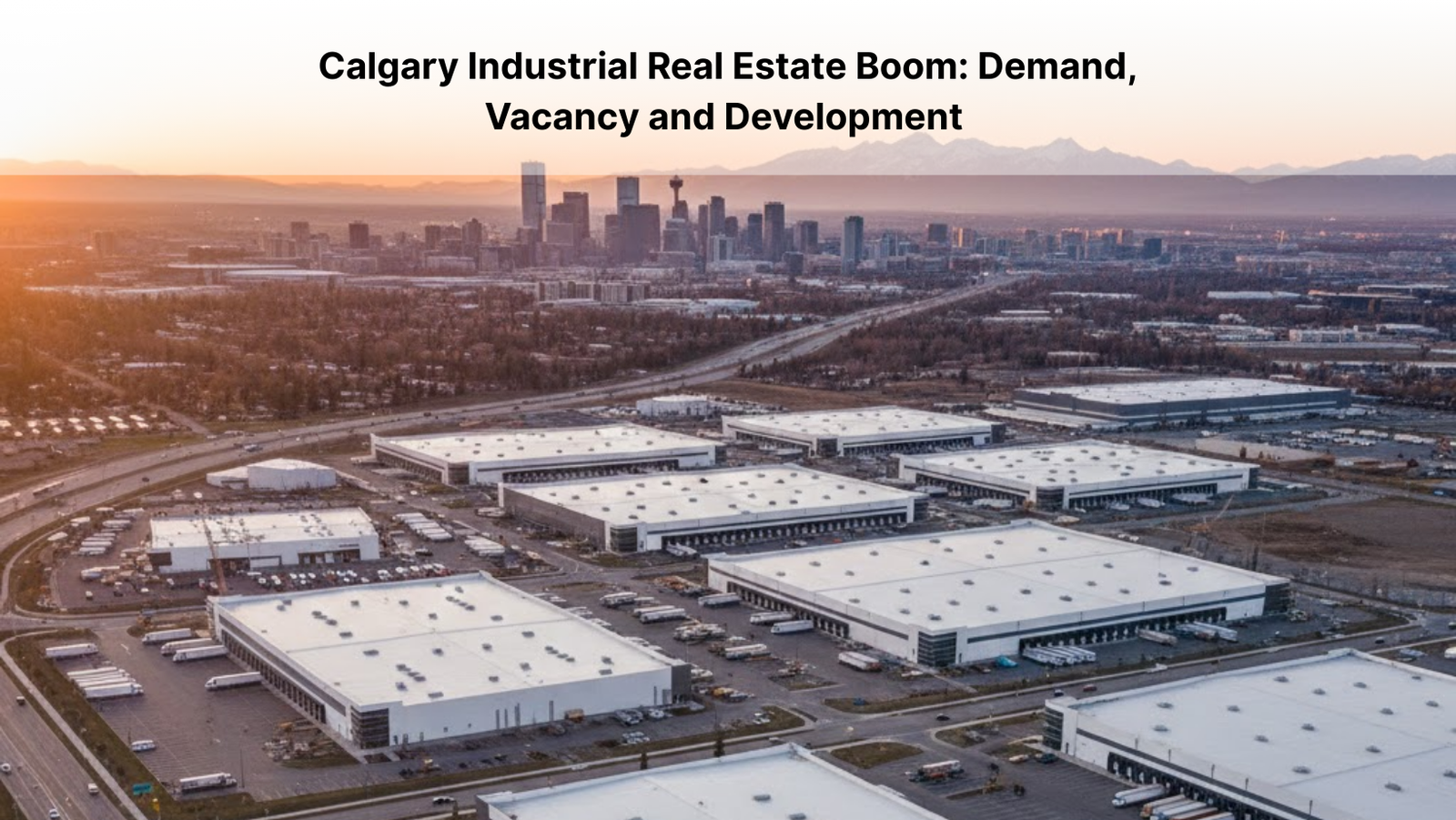
Calgary Industrial Real Estate Boom: Demand, Vacancy and Development

Is Calgary quietly becoming one of Canada’s most powerful industrial real estate success stories?

If you have driven along Stoney Trail lately or watched new warehouses rise near logistics corridors, you have probably felt it. Something big is happening. In this deep dive, I promise you clarity: by the end of this blog, you will understand why the boom is happening, where the opportunities lie, and how buyers, investors, and businesses can position themselves smartly in Calgary’s evolving industrial landscape.

Why Everyone Is Suddenly Talking About Industrial Space in Calgary

Let’s start with a simple observation. Five years ago, industrial real estate rarely stole the spotlight. Residential made the headlines, downtown office towers dominated conversations, and warehouses quietly did their job in the background.

Fast forward to today and the script has flipped.

In Calgary, industrial real estate has gone from “boring but stable” to “hot, competitive, and strategic.” Warehouses are filling faster, developers are racing to secure land, and tenants are locking in space earlier than ever. The Calgary warehouse market 2025 is shaping up to be one of the tightest and most opportunity-rich cycles the city has seen.

And yes, this boom didn’t happen overnight.

The Big Picture of Calgary Industrial Real Estate

Before we zoom into vacancy rates and development pipelines, we need context.

Calgary has always been a logistics-friendly city. Flat land, efficient road networks, proximity to Western Canada markets, and a business-first mindset. But several forces converged at once, accelerating demand for Calgary industrial real estate.

What changed?

  • E-commerce exploded and never really slowed down

  • Supply chains shifted closer to home

  • Population growth boosted consumption

  • Businesses demanded faster delivery times

  • Investors chased stable, income-producing assets

Industrial real estate quietly became the backbone of modern commerce. And Calgary was ready.

Demand Drivers Fueling the Industrial Boom

Let’s talk demand. Because without demand, there is no boom.

E-commerce and the Need for Speed

We all want things faster. Same-day delivery is no longer a luxury; it’s an expectation.

Retailers and logistics companies need strategically located warehouses to meet those timelines. Calgary’s ring road, intermodal access, and proximity to major highways make it a logistics sweet spot. This has directly increased demand for Calgary logistics development, especially large-format distribution centers.

Population Growth and Consumption

More people equals more goods. Calgary continues to attract families, professionals, and newcomers, all of whom need food, furniture, electronics, and everyday essentials.

Those goods need somewhere to live before they reach store shelves or front doors. That “somewhere” is industrial real estate.

Business Relocation and Expansion

Another trend I see daily: companies relocating from higher-cost markets. Compared to Vancouver and Toronto, Calgary offers:

  • Lower land costs

  • Competitive lease rates

  • Less congestion

  • A skilled workforce

For businesses running on tight margins, this matters. It’s no surprise that national and regional tenants are planting roots here.

Calgary Industrial Vacancy: Why Space Is Getting Harder to Find

Here’s where things get interesting.

Calgary industrial vacancy has been trending downward, and not by accident.

What Low Vacancy Really Means

Low vacancy doesn’t just mean fewer available buildings. It means:

  • Increased competition among tenants

  • Rising lease rates

  • Stronger negotiating power for owners

  • Faster absorption of new developments

For tenants, this can feel stressful. For investors and developers, it’s a green light.

The Reality on the Ground

I often hear clients say, “Jai, we’ll just wait six months and see.”

Here’s my honest answer: waiting in a tightening market can cost you options.

Industrial users are now pre-leasing space before construction finishes. Some are even redesigning operations to fit what’s available rather than holding out for the perfect layout.

That’s how you know Calgary industrial real estate is in a landlord-favorable phase.

Calgary Warehouse Market 2025: What the Future Looks Like

Let’s look ahead.

Why 2025 Is a Defining Year

The Calgary warehouse market 2025 is shaping up to be a turning point rather than a peak. New supply is coming, but demand is keeping pace.

Key expectations include:

  • Continued low vacancy in prime locations

  • Strong absorption of new logistics facilities

  • Growing interest in mid-bay and small-bay industrial units

  • Increased land competition for future projects

In simple terms, balance will remain tight.

Size Preferences Are Shifting

Not every tenant wants a million-square-foot distribution center. We’re seeing rising demand for:

  • 10,000–50,000 sq ft flex industrial

  • Last-mile logistics spaces

  • Hybrid warehouse-office buildings

This diversification is healthy. It creates opportunity at multiple price points.

Calgary Logistics Development: Where the Growth Is Happening

If you want to understand industrial real estate, follow the cranes.

Key Development Corridors

Several areas continue to attract major Calgary logistics development projects:

  • Near Stoney Trail and Deerfoot Trail

  • Southeast industrial nodes

  • Areas with easy highway and rail access

These locations reduce transportation costs and improve delivery efficiency. Developers know this, and they are acting accordingly.

Modern Features Tenants Expect

Today’s warehouses aren’t just big boxes. Tenants are asking for:

  • Higher clear ceiling heights

  • Larger bay doors

  • Energy-efficient systems

  • Flexible layouts

  • Employee-friendly amenities

Developments that meet these standards lease faster. The market is rewarding quality.

Investor Perspective: Why Industrial Is the Quiet Overachiever

Let me switch hats for a moment and talk investor to investor.

Industrial real estate doesn’t always get the glamour of residential flips or downtown towers. But it delivers something better: consistency.

Why investors love Calgary industrial real estate:

  • Longer lease terms

  • Lower tenant turnover

  • Predictable cash flow

  • Strong tenant demand

  • Less sensitivity to economic swings

In uncertain times, boring becomes beautiful.

Challenges to Watch (Because No Market Is Perfect)

Now for a reality check. Every boom has friction points.

Construction Costs

Rising material and labor costs can squeeze development margins. Some projects are delayed or redesigned as a result.

Land Availability

Prime industrial land is finite. As supply tightens, land prices increase, pushing developers to think creatively.

Tenant Adaptation

Tenants need to be flexible. Perfect space at the perfect price is rare in a tight market. Strategic compromise often wins.

What This Means for Businesses Looking for Space

If you are a business owner, here’s my straight advice.

  • Start your search early

  • Be open to pre-leasing

  • Understand market-driven pricing

  • Work with local expertise

Industrial real estate is no longer a “last-minute decision.” It’s a strategic move.

What This Means for Investors and Owners

If you own industrial property or are thinking about buying:

  • Demand fundamentals are strong

  • Vacancy remains favorable

  • Long-term outlook is positive

  • Asset quality matters more than ever

Smart positioning today sets you up for stability tomorrow.

Calgary’s Industrial Story Is Still Being Written

One thing I love about Calgary is its ability to reinvent itself. From energy to tech to logistics, this city adapts.

The industrial boom is not just about buildings. It’s about movement. Goods moving. People working. Businesses growing. Communities benefiting.

And that’s why Calgary industrial real estate feels different this cycle. It’s not hype-driven. It’s function-driven.

I’ve worked in Calgary real estate long enough to spot trends that fade and trends that stick. Industrial real estate belongs firmly in the second category.

Whether you’re tracking Calgary industrial vacancy, planning ahead for the Calgary warehouse market 2025, or exploring Calgary logistics development, one thing is clear: preparation beats reaction.

If this blog helped you see the market more clearly, then Jai Chaudhary Real Estate has kept my promise. Knowledge creates confidence. And in real estate, confidence creates opportunity.

Let’s keep the conversation going.

Do you have questions?

Call or text today, we are here to help!

+1 403-483-3300