
Real Estate Buyer Representation Agreements in Calgary: What You Need to Know
Aug 20, 2026
- 0
Introduction
Buyers who have started house hunting in Calgary recently have likely been asked to sign a document before an agent takes them through a showing. That document is a buyer representation agreement, and it is now a standard part of buying a home in Alberta. Many buyers sign it without fully understanding what it means, while others avoid signing anything at all because they are unsure what they are agreeing to.
What a Buyer Representation Agreement Actually Is
In simple terms, this is a written contract between a buyer and a real estate agent that spells out the relationship. It confirms that the agent is working on the buyer’s behalf and outlines what services they will provide, how they get paid, and how long the arrangement lasts.
Why This Became Standard Practice
Alberta’s real estate regulator, RECA, the Real Estate Council of Alberta, has pushed the industry toward clearer, written representation so that both buyers and sellers know exactly who is working for them and under what terms. Verbal understandings used to be common, and they left room for confusion about who an agent legally owed loyalty to during a transaction. A signed agreement puts everything in writing before the search even begins.
What the Agreement Typically Covers
The agreement usually outlines the scope of service, meaning what the agent will actually do, from searching listings to negotiating offers to coordinating inspections. It also spells out the term, which is how long the agreement stays in effect, along with whether the arrangement is exclusive to one agent. Compensation is included as well, describing how the agent is paid and from which side of the transaction. Buyers should also expect to see language around confidentiality and disclosure, which protects their personal and financial information throughout the process.
Exclusive Versus Non-Exclusive Agreements
Some agreements lock a buyer in with one agent for the full term, meaning that if they buy a home during that period, even one they found on their own, that agent is generally entitled to compensation. Other agreements are more limited, covering a single property or a short window of time. Neither structure is inherently good or bad, but buyers should know exactly which one they are signing.
Can the Terms Be Negotiated
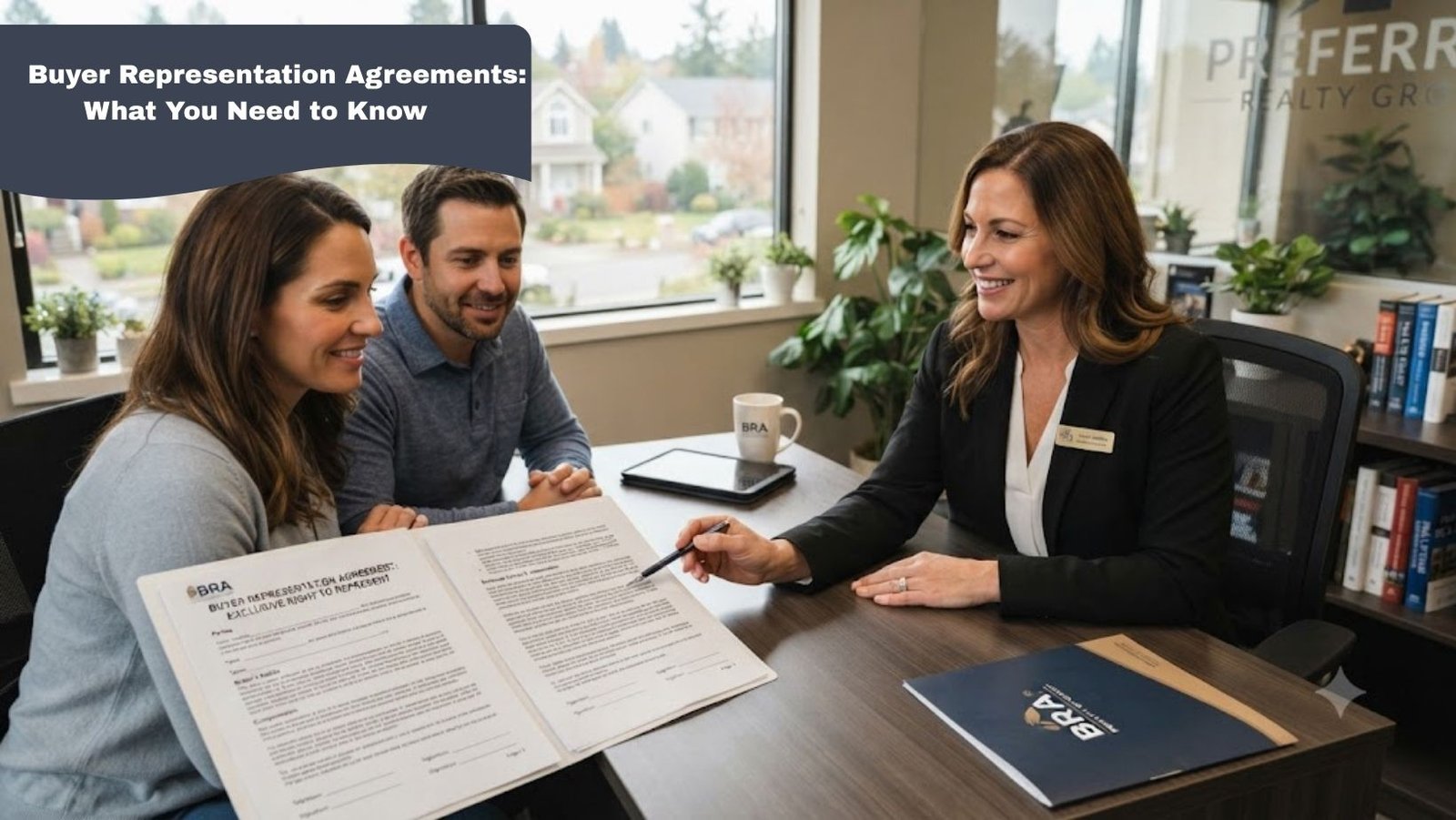
Yes. The length of the agreement, the exclusivity clause, and even the compensation structure can all be discussed before signing. If an agent hands over a document and asks for a signature without walking through it first, that is a reasonable moment to slow down and ask questions. A good agent expects those questions and will not pressure a buyer to sign on the spot.
Conclusion
A buyer representation agreement is not something to be afraid of, but it is also not something to sign without reading. Understanding the term length, the exclusivity clause, and the compensation structure before committing tends to prevent misunderstandings later and helps the working relationship start on the right foot.
Thinking About Buying or Selling in Calgary?
Jai Chaudhary at RE/MAX Real Estate (Mountain View) walks every buyer through their representation agreement in plain language before anything is signed, so there are no surprises along the way.
Call or text: 403-483-3300
Email: jai.yycrealtor@gmail.com
Website: jaichaudhary.ca
Office: 101, 110 Country Hills Landing NW, Calgary, AB T3K 5P3