
Introduction
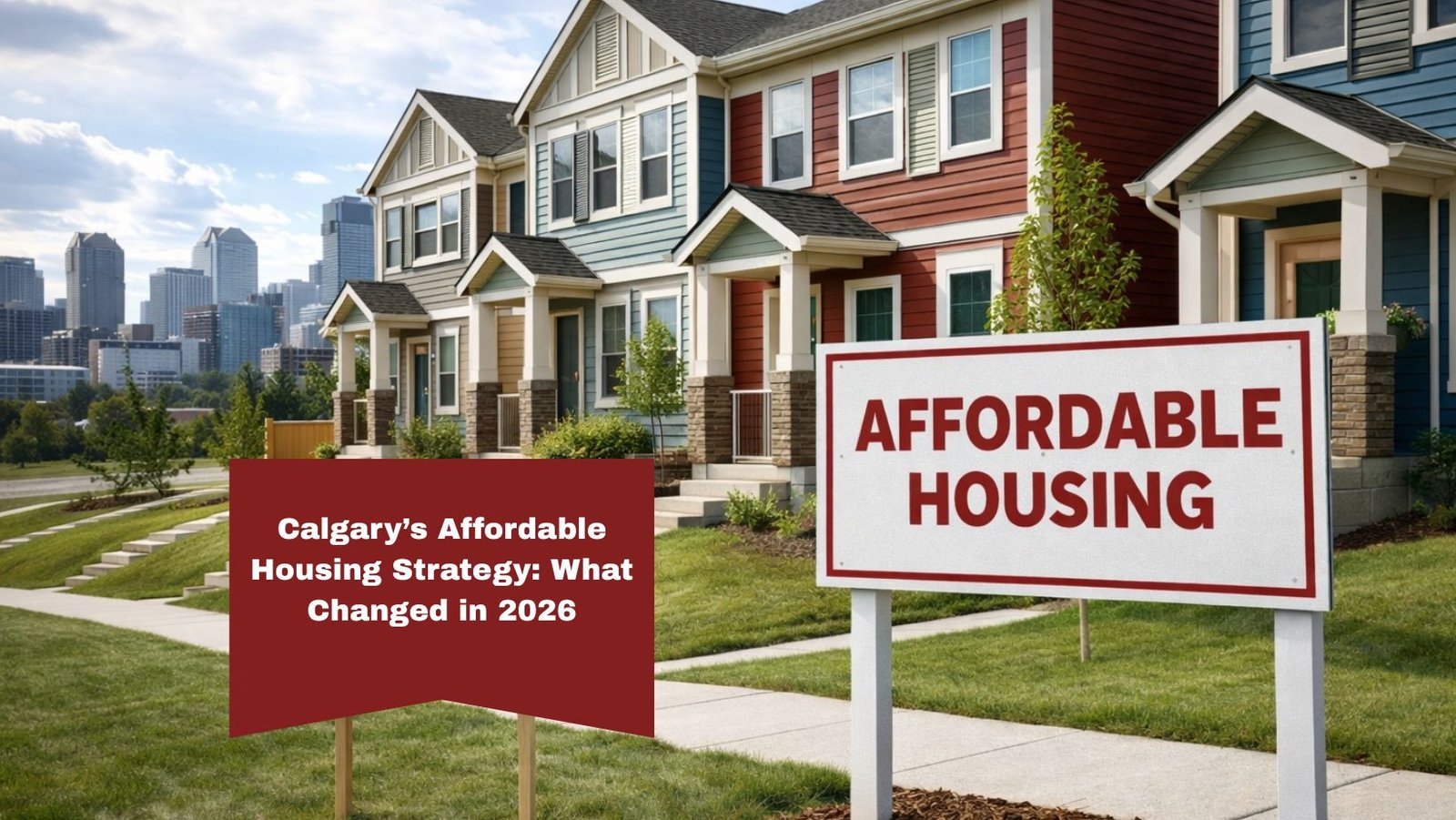
One of the most topical issues in Calgary is the affordability of housing. The City has been experiencing rapid growth in population, and with this, the cost of construction has gone up. Moreover, the demand for rental accommodation has been steadily rising, making it difficult for individuals to afford housing. To overcome this problem, the City has updated its Affordable Housing Strategy in 2026 to ensure long-term sustainability in housing.
The updates in 2026 are expected to enhance the supply of housing in the City, irrespective of the cost. The strategy seeks to ensure faster approvals, flexibility in zoning, financial rewards, and collaboration. These updates are having a significant impact on how individuals perceive real estate in Calgary.
Faster Approvals and Reduced Red Tape
Among the most significant updates in 2026 is the emphasis on faster approvals of developments. Previously, the slow process of approving permits was one of the issues that slowed down the development of housing. The City has made it simpler for developments that qualify for affordability.
In this way, by cutting down on administrative delays, developers will be able to go from the planning stage to the construction stage more quickly. This will help to reduce holding costs and will enable new housing units to enter the market more quickly.
This change indicates that the City understands that the speed of supply is a key element in managing housing costs. By speeding up development, it is hoped that the pressure on both rental and resale markets will be alleviated.
Expanded Support for Secondary Suites
Secondary suites are also a key component of the new strategy. The City enhanced programs that encourage homeowners to build legal secondary suites in their basements and backyard suites. Financial assistance is provided to offset the costs of safety upgrades, permits, and compliance.
Through the promotion of secondary suites, the City of Calgary is able to provide more rental units without necessarily focusing on high-rise buildings. This strategy enables the City to develop new neighborhoods with increased housing density without changing their character.
For homeowners, the development of legal secondary suites provides an opportunity to earn rental income that can help offset the costs of a mortgage. Legal secondary suites also enhance tenant safety and standards in neighborhoods.
Zoning Reform and Increased Housing Density
The 2026 strategy continues the momentum of previous zoning reforms that have increased the types of housing allowed in what were once single-family neighborhoods. This gives property owners the ability to build duplexes, row houses, and multi-unit structures in areas that were once zoned against such development.
This is a positive step towards a goal that urban planners refer to as gentle density. Rather than focusing development on a few high-rise hubs, development can be spread more evenly throughout the city. This makes development more affordable by providing more entry-level ownership opportunities.
Zoning reform is also a positive step towards better land use. More people can live in closer proximity to transit corridors, schools, and commercial hubs. This cuts down on commute times and promotes sustainable development.
Stronger Public and Private Partnerships
Another significant update in 2026 is the focus on collaboration between the City, private developers, and non-profit housing organizations. Affordable housing projects may need collaboration on funding and risk management.
The City is using public land for affordable projects and financial instruments that appeal to long-term investors.
Collaboration with experienced developers and housing organizations can help projects advance more quickly and reach the desired income level.
Public-private partnerships can ensure a balance between profit and public good. Developers will have better incentives, and residents will have more opportunities for below-market-rate housing. This approach is crucial to the long-term success of the strategy.
Financial Incentives and Long-Term Targets
The revised Affordable Housing Strategy also sets out more specific long-term objectives. The City has set out specific objectives to boost the supply of housing over the coming decade. These objectives are accompanied by funding programs, infrastructure investment, and policy changes.
Financial incentives could be in the form of grants, fee waivers, or tax incentives for projects that satisfy affordability criteria. Infrastructure investments such as enhanced transit and the extension of utilities make new developments more attractive.
Long-term planning ensures that affordability is kept on the agenda regardless of market trends in the short term. With specific objectives and monitoring of progress, the City can make changes to policies as required while keeping everything transparent.
Impact on Buyers, Sellers, and Investors
The implications of the 2026 changes are relevant to all parties involved in the real estate market in Calgary. Buyers may have more housing available to them, especially in the entry-level and multi-unit markets. Sellers in areas that support higher density may benefit from the increased land value.
Investors may have new opportunities in secondary suites, duplexes, and small-scale redevelopment projects. The focus on supply growth establishes a scenario that promotes sound investment to meet the housing demand.
Renters will benefit from the increased supply, which will reduce competition for housing and eventually lead to a stable rental market. While adjustments in the market do not occur immediately, the increased activity in construction will promote affordability in the long term.
Conclusion
The 2026 changes to the Affordable Housing Strategy in Calgary represent a holistic approach to dealing with shortages and accessibility. Through easier approval processes, increased zoning, partnerships, and financial incentives, the City is working to create a balanced housing market.
The changes are creating a new landscape in terms of development and opportunities for homeowners and investors. Although affordability is a complex issue, the new strategy is a systematic and forward-looking approach to promoting sustainable growth in the Calgary housing market.