
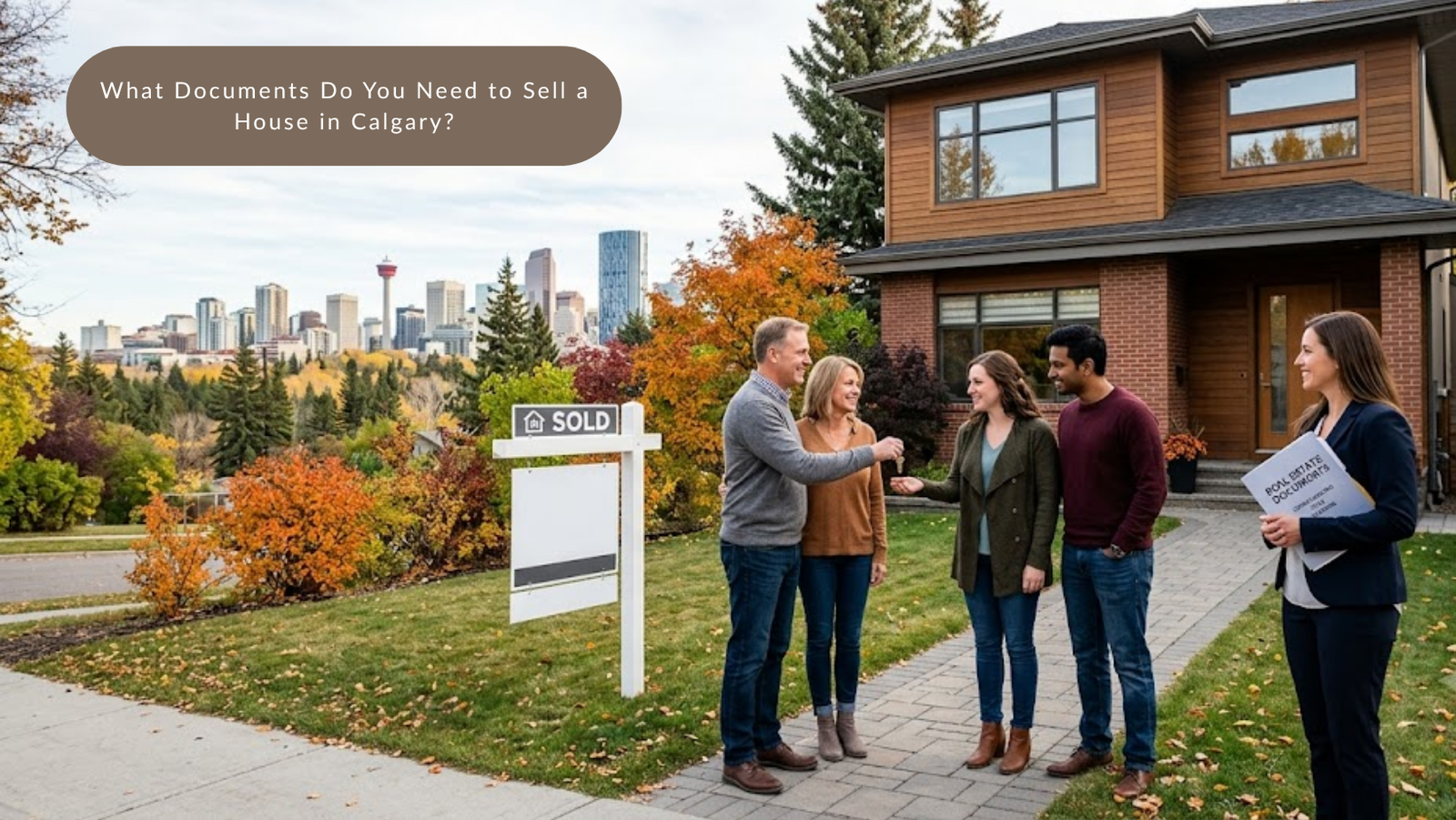
Picture this. Your home is listed, showings are going well, and on a Friday evening an offer lands in your inbox. You’re thrilled. Then your lawyer asks for your Real Property Report, and you realize yours is from 2009 and doesn’t show the deck you built in 2015.
It happens more often than you’d think. Paperwork rarely kills a sale on its own, but missing or outdated documents can slow things down, stress everyone out, and sometimes hand a buyer a reason to renegotiate.
So let’s get ahead of it. Here is a plain-English checklist of the documents you need to sell a house in Calgary, what each one does, and when to start collecting them.
Why It Pays to Get Your Documents Ready Before You List
Once an offer is accepted, things move fast. Buyers usually have conditions to remove, like financing and inspection, and their lawyer and lender will want to see certain papers early. If you already have everything in a folder, you look organized and trustworthy. If you’re chasing the city or your condo board at the last minute, everybody gets nervous.
Good prep also helps your agent price and market your home properly. Not sure if you even want an agent yet? Our post on selling privately in Calgary covers what that path involves.
The Core Documents Every Calgary Seller Needs
1. Certificate of Title
This is the official record from Alberta Land Titles that shows who owns the property, what mortgages are registered, and any caveats or easements. Your agent or lawyer will pull a current copy. Give it a read. If a name is misspelled or an old registration is still hanging around, it’s far easier to fix now than on possession day.
2. Real Property Report (RPR) with Municipal Compliance
This one is the star of the show in Alberta. An RPR is a survey-based drawing that shows your house, garage, deck, fences, and other structures in relation to your property lines. Buyers’ lawyers and lenders usually want a current one, and it normally needs a compliance stamp or letter from the City of Calgary confirming that what’s on your lot meets the rules.
If you’ve added a deck, a garage, or a fence since your last RPR, you’ll probably need an updated one. Turnaround times vary, so order it early instead of the week before possession.
3. Property Tax Assessment and Tax Bill
Buyers want to know what they’ll be paying, and your lawyer uses your tax information to calculate adjustments at closing. Dig out your latest assessment notice and tax bill. If you want a refresher on how the city works these out, have a look at our guide to Calgary property taxes.
4. Mortgage Details
Your lawyer will need your lender’s name and your account number to request a payout statement. That statement shows what you owe at closing, including any prepayment penalty. Call your lender early to ask about penalties, especially on a fixed-rate term. Nobody enjoys a surprise number on closing day.
5. Property Disclosure Statement (PDS)
In Alberta, sellers commonly complete a Property Disclosure Statement that describes the home’s condition and any known problems, like past leaks, repairs, or pests. It’s generally optional, but agents strongly recommend it, and it is not a substitute for a home inspection. Answer honestly and completely. If you know about an issue, disclose it. It protects you later.
6. Your Listing Agreement
This is your contract with your brokerage. It sets the list price, the commission, how long the listing lasts, and what marketing you’ll get. Read it slowly, and if you’re unsure about the term, see our post on how long an agent can hold your listing.
7. Utility Costs and Home Details
Buyers love specifics. Collect your average monthly utility bills and note the age of the furnace, roof, hot water tank, and windows. A simple one-page summary saves your agent a dozen back-and-forth messages.
Extra Documents If You’re Selling a Condo or Townhouse
When someone buys a condo, they’re also buying into the condo corporation. That means more paperwork. Expect to provide the following, usually ordered through your property manager for a fee:
- Condominium certificate (also called an estoppel certificate)
- Bylaws and any rules
- Recent financial statements and the current budget
- Reserve fund study
- Recent board meeting minutes
- Insurance details and any planned special assessments or major repairs
Buyers are paying close attention to reserve funds and monthly fees right now, so make sure these arrive complete. For the bigger picture, read our breakdown of Calgary condo market trends.
Nice-to-Have Documents That Build Buyer Confidence
None of these are mandatory, but each one answers a question before a buyer asks it:
- Renovation receipts and building permits
- Warranties for the roof, windows, furnace, AC, or appliances
- A recent home inspection report, if you had one done
- Floor plans
- A clear list of inclusions and exclusions (what stays and what goes)
- Maintenance records and appliance manuals
Permits deserve a special mention. If you developed your basement or built something without one, tell your agent right away so you can plan around it.
Documents You’ll Sign After an Offer Comes In
Once a buyer makes an offer, expect to work through the purchase contract, any counteroffers or amendments, condition removal forms, and later your lawyer’s closing documents, such as the transfer of land and the statement of adjustments. Your agent will guide you through each one. Never sign something you don’t understand. Ask, and ask again.
Your Quick Calgary Seller Checklist
- Certificate of title
- Current RPR with compliance
- Property tax assessment and latest tax bill
- Mortgage lender details and payout information
- Completed Property Disclosure Statement
- Signed listing agreement
- Utility costs and home details
- Condo documents (if applicable)
- Renovation records, permits, and warranties
- List of inclusions and exclusions
Common Paperwork Mistakes to Avoid
- Using an old RPR. New decks, garages, or fences are the usual culprits.
- Ordering condo documents late. Property managers can take days.
- Ignoring mortgage penalties. Ask your lender before you set your price.
- Skipping details on the PDS. Incomplete answers can come back to bite you.
- Waiting until you have an offer. Prepare before you list.
Also worth reading before you list: our Calgary real estate fees explained post, so you know what the whole sale will cost you.
Frequently Asked Questions
Do I need a real property report to sell my house in Calgary?
In practice, almost always. Buyers’ lenders and lawyers typically ask for a current RPR with municipal compliance, so having one ready avoids delays.
How long does an RPR take?
It varies with surveyor schedules and city processing times. Order it as soon as you decide to sell rather than waiting for an offer.
Do I need a lawyer to sell a house in Alberta?
You’ll almost certainly need a real estate lawyer to handle the transfer of title and closing paperwork. Your agent can recommend a few.
Is the Property Disclosure Statement mandatory?
It’s generally optional in Alberta but strongly recommended. Whatever you tell buyers must be honest.
Final Thoughts
Getting ready to sell? I’d be happy to look through your paperwork with you before you list, so nothing catches you off guard. Get in touch with Jai Chaudhary Real Estate and let’s make your sale feel a lot less stressful. You can also browse more guides on our blog.