
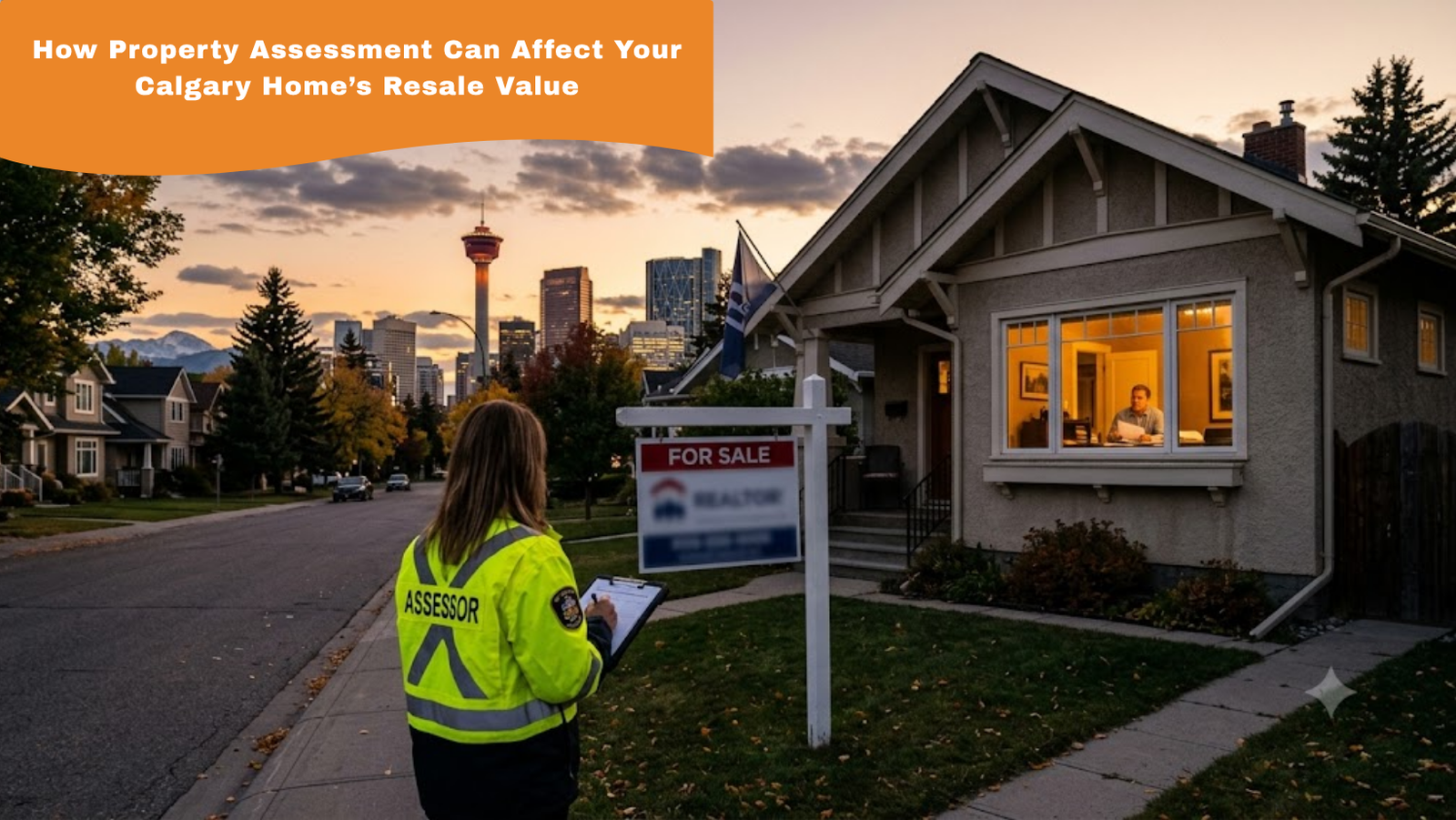
Here’s a question I hear a lot: “The city says my house is worth this much, so that’s what it’ll sell for, right?”
I understand why people think so. It’s an official number from an official source. But your assessment and your resale value are cousins, not twins. They’re related, they sometimes look alike, and they can also be very different. Let’s sort out how.
Assessment and sale price are two different things.
Your property assessment is the city’s estimate of your home’s market value on a certain date. It exists for one main reason: sharing the property tax load fairly across all properties. The 2026 assessments, for example, reflect values as of July 1, 2025.
Your sale price is something else entirely. It’s what a real buyer agrees to pay on a real day, after walking through your home, comparing it with others, and negotiating. Emotion, competition, timing, and condition all come into play, and none of that fits neatly into a mass assessment. If you want to see how the number feeds into your yearly bill, have a look at our guide to Calgary property taxes.
So does it change what your home sells for?
Not directly. Buyers don’t pay what the city says, and lenders typically rely on their own appraisals. But the assessment can nudge a sale in a few quieter ways.
It shapes first impressions. Buyers and their agents can look up assessed values. If your list price is far above or below it, expect questions. A good agent will explain the gap using recent sales so it doesn’t become a negotiating headache.
It affects the cost of owning the home. Property tax is part of every buyer’s monthly budget. If two similar homes have noticeably different tax burdens, the cheaper one can feel more affordable. It won’t decide a sale on its own, but it sits quietly in the background.
Errors can confuse. If your record shows the wrong size, a basement that isn’t developed, or a garage that isn’t listed, buyers may compare your home with the wrong set of properties. Fixing factual mistakes keeps the story straight, and we explain how to check if your 2026 Calgary assessment is accurate.
The timing gap can mislead sellers. Because an assessment reflects an earlier date, it can trail a rising market or sit above a cooling one. Treat it as a reference point, never as your asking price.
What actually moves your resale value?
If you want the honest list, it’s location, condition, layout, current market conditions, smart pricing, and how well your home is presented. Property type matters too. A condo behaves very differently from a detached home right now, and our posts on condo vs. detached homes in Calgary and Calgary condo market trends explain why.
Renovations, permits, and paperwork
The city looks at your property’s physical condition as of December 31 of the year before the notice, so renovations may show up in a later assessment. But buyers care about paperwork as much as granite countertops. Unpermitted work can complicate your real property report and buyer confidence. Keep your permits, receipts, and warranties in one folder, and use our seller document checklist so nothing is missing when you list.
Before you list: what I’d do
Read your latest assessment notice and check the property details. If something’s wrong, contact the city’s assessment team. Then ask your agent for a comparative market analysis built on recent sold homes, not just the assessed value. Know your yearly tax amount, because buyers will ask. And set your price from real market evidence.
It also helps to know what the sale will cost you, so read Calgary real estate fees explained. And when you meet agents, bring our list of questions sellers should ask before listing.
If you’re a buyer or an investor
Buyers, treat the assessment as one data point, not the price tag. Look at recent sales, estimate the yearly tax, and add it to your monthly budget. Investors, taxes hit your cash flow directly, so run the numbers early. Our posts on top Calgary neighborhoods for investment and the Calgary rental market can help you compare areas.
Myths worth dropping
“My assessment is my home’s value” is a common one, but it’s an estimate for a past date. “A low assessment means a bargain” isn’t reliable either, since it may just reflect timing. And “challenging my assessment will raise my resale value” doesn’t hold, because a successful challenge affects your tax share, not what buyers pay. Finally, please don’t price your home at the assessed value. Price it using today’s market evidence.
Quick Questions
Can my assessment be higher than my sale price?
Yes. It’s an estimate for an earlier date, so your sale price can land above or below it depending on the market.
Do buyers look at assessed value?
Many do, but mostly as a rough reference. They lean much more on recent sales and their agent’s advice.
Should I appeal my assessment before selling?
Only if you believe there’s a real error. An appeal is about your tax share, not your sale price, and deadlines apply. Check your notice.
Curious how your assessment compares with what your home could really sell for? Get in touch with Jai Chaudhary Real Estate for a no-pressure market review, or keep reading on our blog.