How Property Assessment Can Affect Your Calgary Home’s Resale Value

Here’s a question I hear a lot: “The city says my house is worth this much, so that’s what it’ll sell for, right?”

I understand why people think so. It’s an official number from an official source. But your assessment and your resale value are cousins, not twins. They’re related, they sometimes look alike, and they can also be very different. Let’s sort out how.

Assessment and sale price are two different things.

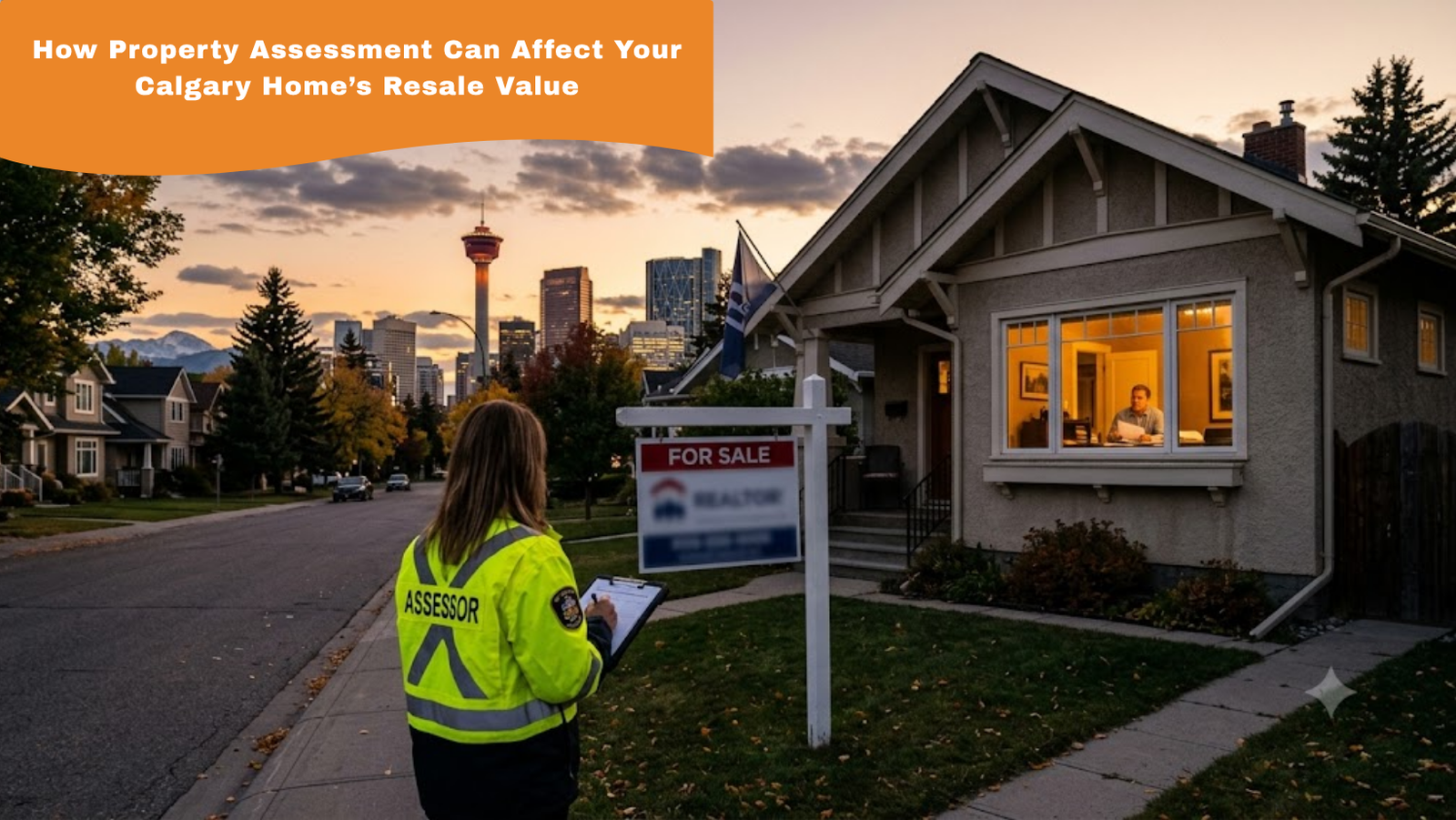
Your property assessment is the city’s estimate of your home’s market value on a certain date. It exists for one main reason: sharing the property tax load fairly across all properties. The 2026 assessments, for example, reflect values as of July 1, 2025.

Your sale price is something else entirely. It’s what a real buyer agrees to pay on a real day, after walking through your home, comparing it with others, and negotiating. Emotion, competition, timing, and condition all come into play, and none of that fits neatly into a mass assessment. If you want to see how the number feeds into your yearly bill, have a look at our guide to Calgary property taxes.

So does it change what your home sells for?

Not directly. Buyers don’t pay what the city says, and lenders typically rely on their own appraisals. But the assessment can nudge a sale in a few quieter ways.

It shapes first impressions. Buyers and their agents can look up assessed values. If your list price is far above or below it, expect questions. A good agent will explain the gap using recent sales so it doesn’t become a negotiating headache.

It affects the cost of owning the home. Property tax is part of every buyer’s monthly budget. If two similar homes have noticeably different tax burdens, the cheaper one can feel more affordable. It won’t decide a sale on its own, but it sits quietly in the background.

Errors can confuse. If your record shows the wrong size, a basement that isn’t developed, or a garage that isn’t listed, buyers may compare your home with the wrong set of properties. Fixing factual mistakes keeps the story straight, and we explain how to check if your 2026 Calgary assessment is accurate.

The timing gap can mislead sellers. Because an assessment reflects an earlier date, it can trail a rising market or sit above a cooling one. Treat it as a reference point, never as your asking price.

What actually moves your resale value?

If you want the honest list, it’s location, condition, layout, current market conditions, smart pricing, and how well your home is presented. Property type matters too. A condo behaves very differently from a detached home right now, and our posts on condo vs. detached homes in Calgary and Calgary condo market trends explain why.

Renovations, permits, and paperwork

The city looks at your property’s physical condition as of December 31 of the year before the notice, so renovations may show up in a later assessment. But buyers care about paperwork as much as granite countertops. Unpermitted work can complicate your real property report and buyer confidence. Keep your permits, receipts, and warranties in one folder, and use our seller document checklist so nothing is missing when you list.

Before you list: what I’d do

Read your latest assessment notice and check the property details. If something’s wrong, contact the city’s assessment team. Then ask your agent for a comparative market analysis built on recent sold homes, not just the assessed value. Know your yearly tax amount, because buyers will ask. And set your price from real market evidence.

It also helps to know what the sale will cost you, so read Calgary real estate fees explained. And when you meet agents, bring our list of questions sellers should ask before listing.

If you’re a buyer or an investor

Buyers, treat the assessment as one data point, not the price tag. Look at recent sales, estimate the yearly tax, and add it to your monthly budget. Investors, taxes hit your cash flow directly, so run the numbers early. Our posts on top Calgary neighborhoods for investment and the Calgary rental market can help you compare areas.

Myths worth dropping

“My assessment is my home’s value” is a common one, but it’s an estimate for a past date. “A low assessment means a bargain” isn’t reliable either, since it may just reflect timing. And “challenging my assessment will raise my resale value” doesn’t hold, because a successful challenge affects your tax share, not what buyers pay. Finally, please don’t price your home at the assessed value. Price it using today’s market evidence.

Quick Questions

Can my assessment be higher than my sale price?

Yes. It’s an estimate for an earlier date, so your sale price can land above or below it depending on the market.

Do buyers look at assessed value?

Many do, but mostly as a rough reference. They lean much more on recent sales and their agent’s advice.

Should I appeal my assessment before selling?

Only if you believe there’s a real error. An appeal is about your tax share, not your sale price, and deadlines apply. Check your notice.

Curious how your assessment compares with what your home could really sell for? Get in touch with Jai Chaudhary Real Estate for a no-pressure market review, or keep reading on our blog.


How to Spot Inexperienced Real Estate Agents in Calgary

Choosing a real estate agent is a bit like choosing a surgeon. You won’t think about it much until you really need one, and then it suddenly matters a lot.

Before we go any further, a fair note: being new isn’t a crime. Plenty of newer agents are hungry, hardworking, and backed by strong mentors. Others with fifteen years behind them are coasting. So we’re not judging by age or years alone. We’re judging by skill, preparation, and honesty.

Here’s how to tell the difference, plus what to look for instead.

Red Flags That Suggest an Agent May Be Out of Their Depth

1. They can’t show you recent local sales.

Ask, “What have you sold in my neighborhood lately?” A skilled agent will rattle off examples, prices, and days on market. If the answer is vague, or they only talk about sales in other parts of the city, be cautious.

2. Their price suggestion has no proof behind it.

A good agent shows you a comparative market analysis with actual comparable homes. If the number seems plucked out of thin air or is suspiciously high just to win your listing, that’s a red flag. An overpriced home can sit, then sell for less in the end.

3. They can’t explain the process clearly.

Ask them to walk you through what happens from listing to possession day. If they get flustered, skip steps, or lean on jargon, that’s a sign.

4. Their marketing looks average.

Look at their current listings. Are the photos sharp? Are descriptions well written? Is there video or a floor plan? Your home deserves better than blurry phone pictures.

5. Communication is slow or scattered.

If they take three days to answer before you’ve even signed, imagine what happens during a deal with tight deadlines.

6. They pressure you to sign right away.

Confident agents give you time to think. If you feel rushed or pushed, step back. Our post on how long an agent can hold your listing shows what to check before signing.

7. They dodge questions about fees.

A professional will explain commission, what it covers, and any extra costs plainly. If they’re evasive, keep looking. For the full breakdown of costs, read Calgary real estate fees explained.

8. They don’t know local details.

Do they understand condo reserve funds, RPR compliance, community differences, or how the market is moving? Our overview of Calgary condo market trends is the kind of insight a strong agent should be able to discuss easily.

9. They badmouth other agents.

Confidence speaks for itself. Constant put-downs of competitors usually signal insecurity.

Green Flags of a Skilled Agent

  • Clear, data-backed pricing advice
  • Recent local sales they can talk about in detail
  • A written marketing plan
  • Honest opinions, even when you don’t want to hear them
  • Prompt, respectful communication
  • Reviews or references from past clients
  • A brokerage with strong support and mentoring

Check Their License

In Alberta, real estate professionals are licensed and regulated by the Real Estate Council of Alberta. You can look up a licensee’s status through RECA. It takes two minutes and gives you peace of mind.

Questions That Reveal Experience Fast

  • How many homes have you sold in my area in the last year?
  • How will you decide my list price?
  • What’s your plan if my home doesn’t get offers in the first two weeks?
  • Who will actually handle my showings and paperwork?
  • How often will you update me?
  • What can go wrong with a sale like mine?

We’ve put together a longer list of questions sellers should ask before listing in Calgary. Print it out and take it to your consultations.

What If You Want to Skip Agents Altogether?

That’s a legitimate option for some sellers, though it comes with real trade-offs. Have a look at our guide on selling your house privately in Calgary to weigh it up.

Frequently Asked Questions

Is a new agent always a bad choice?

No. A newer agent with strong mentorship and a solid plan can do excellent work. Judge them on preparation, communication, and honesty, not just years in the business.

How many agents should I interview?

Two or three is a good number. It gives you a comparison without overwhelming you.

How do I check if an agent is licensed in Alberta?

Use the license lookup on the Real Estate Council of Alberta’s website.

Should I choose the agent with the highest price estimate?

Not automatically. A higher number may just be a way to win your listing. Look at the comparable sales behind it.

Final Thoughts

Interviewing agents this week? Feel free to ask me the same tough questions. I’d rather earn your trust than rush your signature. Connect with Jai Chaudhary Real Estate and let’s talk it through. More reads are on our blog.

Do You Really Need a Realtor to Buy a House in Calgary?

Let’s start with the honest answer: no, you don’t legally need a realtor to buy a house in Calgary. Plenty of people buy directly from builders, family, or private sellers every year.

The better question is whether going without one is a smart move for you. That depends on your experience, your budget, and the kind of home you’re after. Let’s break it down as a friend would over coffee.

Ways You Can Buy a Home Without a Realtor

  • Buying directly from a builder. New-build sales reps are friendly and helpful, but remember they represent the builder, not you.
  • Buying from a private seller. Some Calgary homeowners sell on their own. Our post on selling privately in Calgary shows what that looks like from the seller’s side.
  • Buying from family or friends. Simple in theory, but the paperwork and title work still need to be right.
  • Browsing public listing sites yourself. Sites like Realtor.ca show plenty of homes, but not everything an agent can see.

What a Buyer’s Agent Actually Does

Most people picture a realtor as the person who unlocks the door at showings. That’s maybe ten percent of the job. Behind the scenes, a good buyer’s agent will:

  • Compare recent sales so you know whether the price is fair
  • Get you fast alerts on new listings that fit your needs
  • Negotiate price, possession dates, and inclusions
  • Draft and explain your offer, including conditions for financing and inspection
  • Spot red flags, like unpermitted work, questionable condo finances, or a shaky RPR
  • Connect you with a trusted lawyer, mortgage broker, and inspector
  • Keep you calm when things get emotional

Condos in particular have layers most first-time buyers don’t know to check, like reserve funds and special assessments. Our breakdown of Calgary condo market trends shows why the details matter.

What Does a Buyer’s Agent Cost You?

This is the question everyone worries about. In Calgary, a buyer’s agent has traditionally been paid out of the commission the seller agrees to, rather than a separate bill to the buyer. But arrangements vary, and many agents ask buyers to sign a buyer representation agreement before showing homes. Read it carefully and ask exactly how your agent gets paid, in writing, before you start. Our post on Calgary real estate fees, who pays what, covers the full picture.

Who Can Safely Buy Without a Realtor?

Going solo tends to work best if you:

  • Have bought property before and understand the contracts
  • Are buying from a builder using their standard contract, and have a lawyer review it
  • Are buying from someone you trust, with a lawyer handling the transfer
  • Have plenty of time to research the market and neighborhoods

Who Should Really Think Twice?

  • First-time buyers. There’s a lot you don’t know.
  • Buyers in competitive situations, where multiple offers make strategy important.
  • Condo buyers. Corporate finances need careful review.
  • Anyone stretching the budget. A costly mistake hurts more when there’s no cushion.

A Realistic Middle Path

You don’t have to choose between doing everything yourself or handing over the keys entirely. You can interview two or three agents, see how they explain things, and choose someone who respects your budget and your pace. If you’re comparing options, our guide on how to spot inexperienced agents is a handy filter.

If You Go Solo: A Mini Checklist

  • Get a mortgage pre-approval first
  • Hire a real estate lawyer before you sign anything
  • Book a professional home inspection
  • Request the Real Property Report and check compliance
  • Review the property tax details so you know your yearly costs
  • For condos, ask for the full condo document package
  • Compare recent sold prices, not just asking prices

Still deciding what kind of home suits you? Our post on condo vs. detached in Calgary and our list of top townhouse neighborhoods are great places to start.

Frequently Asked Questions

Is it legal to buy a house in Alberta without a realtor?

Yes. There’s no law requiring you to use one. But you’ll still need a lawyer to handle the transfer of title and closing.

Will I pay less if I don’t use a buyer’s agent?

Not necessarily. The seller’s commission is usually set in their listing agreement, whether or not you have an agent, so going without doesn’t automatically lower the price.

Can I buy a new build without an agent?

Yes, but the builder’s sales rep works for the builder. Many buyers still bring their own agent for advice on the contract and upgrades.

Do I need a lawyer if I have a realtor?

Yes. Realtors don’t handle the legal transfer of title. Your lawyer does.

Final Thoughts

Not sure whether an agent is right for you? Have a no-pressure chat with Jai Chaudhary Real Estate and get honest answers first. Contact us here, or keep reading on our blog.

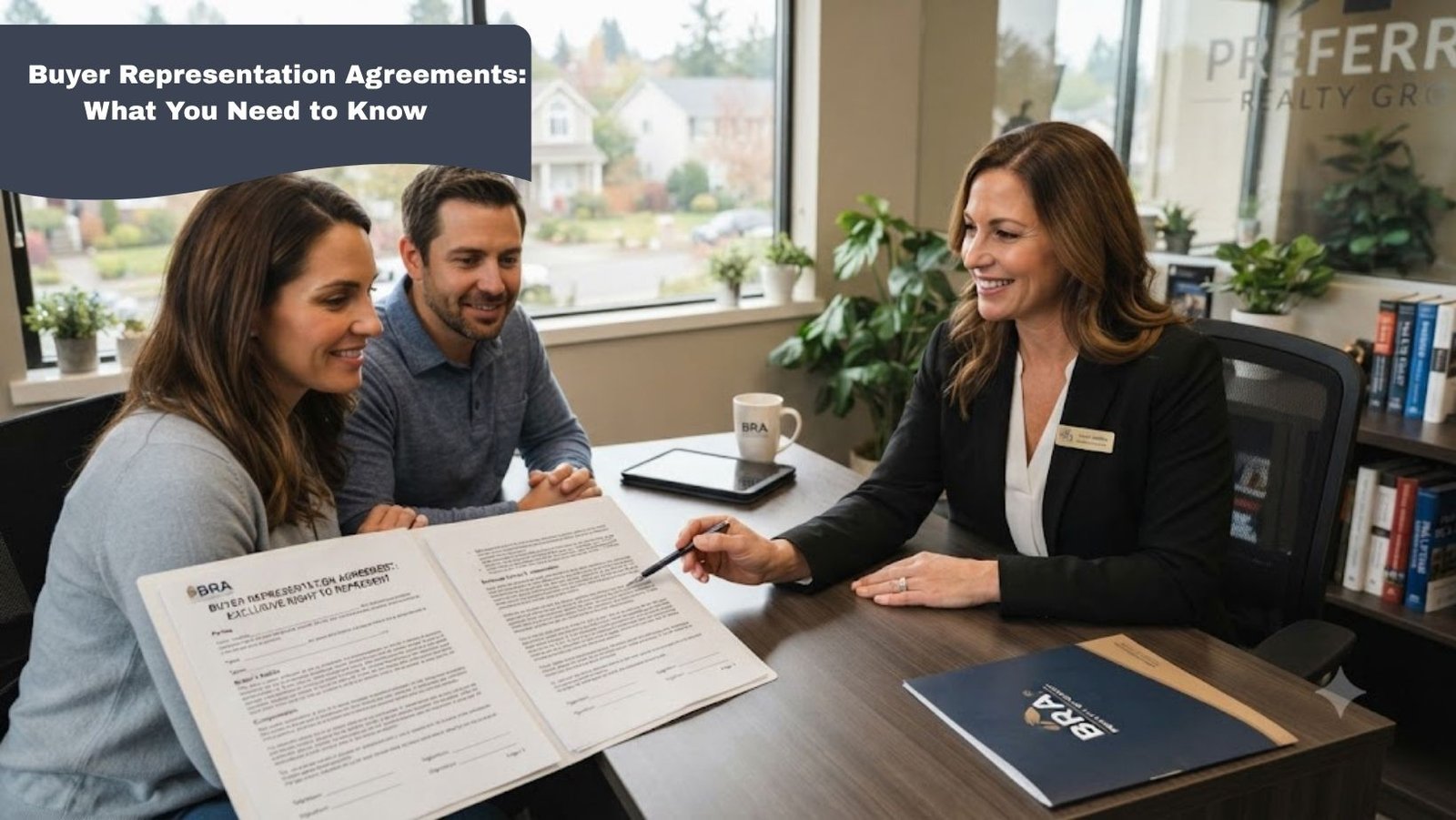
Real Estate Buyer Representation Agreements in Calgary: What You Need to Know

Introduction

Buyers who have started house hunting in Calgary recently have likely been asked to sign a document before an agent takes them through a showing. That document is a buyer representation agreement, and it is now a standard part of buying a home in Alberta. Many buyers sign it without fully understanding what it means, while others avoid signing anything at all because they are unsure what they are agreeing to.

What a Buyer Representation Agreement Actually Is

In simple terms, this is a written contract between a buyer and a real estate agent that spells out the relationship. It confirms that the agent is working on the buyer’s behalf and outlines what services they will provide, how they get paid, and how long the arrangement lasts.

Why This Became Standard Practice

Alberta’s real estate regulator, RECA, the Real Estate Council of Alberta, has pushed the industry toward clearer, written representation so that both buyers and sellers know exactly who is working for them and under what terms. Verbal understandings used to be common, and they left room for confusion about who an agent legally owed loyalty to during a transaction. A signed agreement puts everything in writing before the search even begins.

What the Agreement Typically Covers

The agreement usually outlines the scope of service, meaning what the agent will actually do, from searching listings to negotiating offers to coordinating inspections. It also spells out the term, which is how long the agreement stays in effect, along with whether the arrangement is exclusive to one agent. Compensation is included as well, describing how the agent is paid and from which side of the transaction. Buyers should also expect to see language around confidentiality and disclosure, which protects their personal and financial information throughout the process.

Exclusive Versus Non-Exclusive Agreements

Some agreements lock a buyer in with one agent for the full term, meaning that if they buy a home during that period, even one they found on their own, that agent is generally entitled to compensation. Other agreements are more limited, covering a single property or a short window of time. Neither structure is inherently good or bad, but buyers should know exactly which one they are signing.

Can the Terms Be Negotiated

Yes. The length of the agreement, the exclusivity clause, and even the compensation structure can all be discussed before signing. If an agent hands over a document and asks for a signature without walking through it first, that is a reasonable moment to slow down and ask questions. A good agent expects those questions and will not pressure a buyer to sign on the spot.

Conclusion

A buyer representation agreement is not something to be afraid of, but it is also not something to sign without reading. Understanding the term length, the exclusivity clause, and the compensation structure before committing tends to prevent misunderstandings later and helps the working relationship start on the right foot.


Thinking About Buying or Selling in Calgary?

Jai Chaudhary at RE/MAX Real Estate (Mountain View) walks every buyer through their representation agreement in plain language before anything is signed, so there are no surprises along the way.

Call or text: 403-483-3300

Email: jai.yycrealtor@gmail.com

Website: jaichaudhary.ca

Office: 101, 110 Country Hills Landing NW, Calgary, AB T3K 5P3

Do you have questions?

Call or text today, we are here to help!

+1 403-483-3300